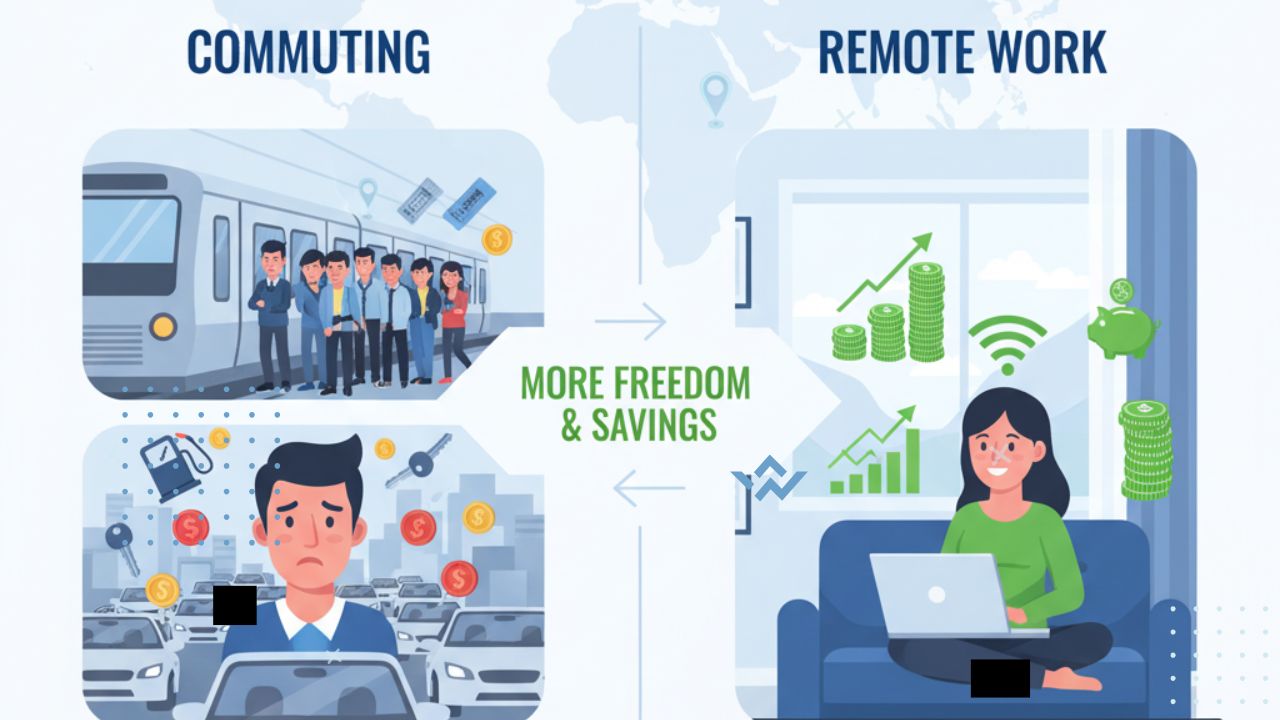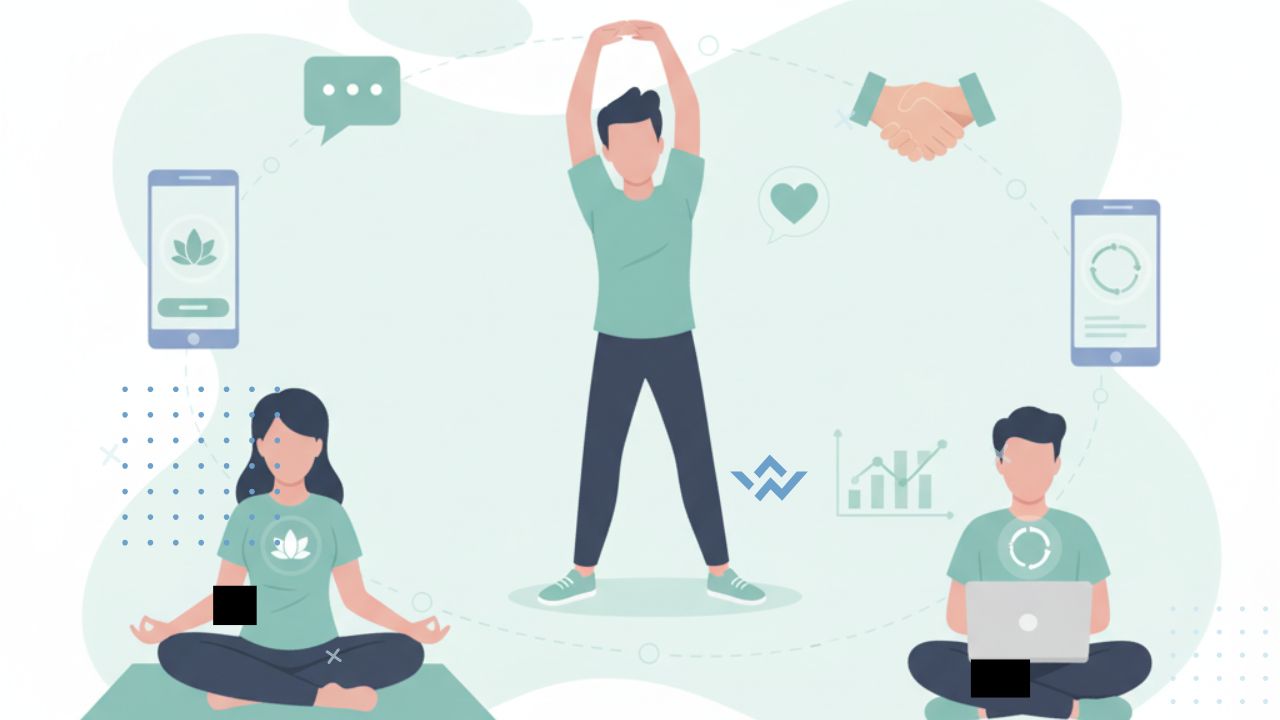
In 2025, with 32% of U.S. workers operating remotely at least part-time (Gallup, 2024) and global freelancing surging, particularly in Pakistan with over 3 million freelancers contributing $1 billion annually (Payoneer, 2025), achieving work-life integration is critical to prevent burnout. Burnout affects 35% of remote workers, leading to a 20% drop in productivity and increased mental health challenges (Forbes, 2024; Stanford, 2025). This blog explores strategies and mental health tools to foster work-life integration, combat burnout, and support professionals in high-pressure sectors like tech and healthcare (facing $70 billion Medicaid cuts, Health Affairs, 2025), with insights for Pakistan and global audiences.
Understanding Work-Life Integration and Burnout
Work-Life Integration blends professional and personal responsibilities seamlessly, leveraging flexibility to enhance well-being, unlike the rigid separation of work-life balance. Burnout, characterized by exhaustion, cynicism, and reduced efficacy, is a growing concern, with 40% of workers reporting symptoms amid hybrid work models (Deloitte, 2025). In Pakistan, where IT exports hit $3.2 billion in 2024 (The Express Tribune), freelancers face unique pressures due to long hours and client demands across time zones. Effective tools and strategies can mitigate these risks, fostering mental resilience.
Mental Health Tools for Work-Life Integration
1. Mindfulness and Meditation Apps
- What They Are: Apps like Headspace and Calm offer guided meditation, breathing exercises, and sleep aids to reduce stress.
- Features: 5–10 minute sessions, mood tracking, and AI-driven personalized plans (e.g., Headspace’s AI stress management, TechCrunch, 2025).
- Impact: Reduces anxiety by 25% and improves focus by 15%, per a 2025 Journal of Clinical Psychology study.
- Use Case: A Pakistani freelancer uses Calm’s 10-minute meditation before client calls to stay centered, boosting performance.
- Cost: Free basic plans; premium subscriptions $5–$15/month (writingempires.com).
2. Time Management and Productivity Tools
- What They Are: Tools like Notion, Trello, and Todoist organize tasks and set boundaries for work hours.
- Features: Task prioritization, Pomodoro timers, and integration with Slack for asynchronous work (Gartner, 2025).
- Impact: Saves 5–7 hours weekly, reducing burnout risk by 20% (Deloitte, 2025).
- Use Case: A healthcare administrator in Lahore uses Trello to manage EHR tasks, reserving evenings for family time.
- Cost: Free tiers available; premium plans $4–$12/month (aboutfreelancing.com).
3. Virtual Co-Working Platforms
- What They Are: Platforms like Focusmate and Gather provide virtual accountability and social interaction to combat isolation.
- Features: 25–50 minute co-working sessions, virtual office spaces with avatars, and community chats (Stanford, 2025).
- Impact: Boosts task completion by 30% and reduces loneliness by 15% (Forbes, 2025).
- Use Case: A tech freelancer in Karachi joins Focusmate sessions to stay motivated while coding AI models.
- Cost: Free or $5–$10/month (writingempires.com).
4. Mental Health Support Platforms
- What They Are: Services like BetterHelp and Talkspace connect users with licensed therapists via video or chat.
- Features: AI-driven therapist matching, flexible scheduling, and crisis support (HIMSS, 2025).
- Impact: Reduces burnout symptoms by 20% for regular users (Journal of Applied Psychology, 2025).
- Use Case: A U.S. product manager uses BetterHelp to manage stress from tight startup deadlines.
- Cost: $50–$100/month, with sliding scales in some regions (sadapay.pk).
Strategies to Prevent Burnout and Promote Integration
1. Set Clear Boundaries
- How: Define work hours (e.g., 9 AM–5 PM) and use tools like Slack’s “Do Not Disturb” to protect personal time.
- Why: Prevents overwork, critical for Pakistan’s freelancers juggling global clients across time zones (Payoneer, 2025).
- Tip: In Pakistan, schedule client calls during peak internet hours to avoid disruptions (spocket.co).
- Example: A Karachi-based UX designer sets Slack to offline after 6 PM, reducing evening work by 80% (technofies.com).
2. Practice Time-Blocking
- How: Allocate specific hours for deep work, breaks, and personal tasks using Notion or Google Calendar.
- Why: Increases productivity by 25% and reduces stress by 15% (Stanford, 2025).
- Tip: Use Pomodoro (25 minutes work, 5 minutes break) to maintain focus, especially for tech and healthcare tasks.
- Example: A healthcare freelancer in Islamabad time-blocks EHR updates, freeing afternoons for family (HIMSS, 2025).
3. Leverage Asynchronous Communication
- How: Use Slack and Loom for updates instead of constant meetings, reducing Zoom fatigue (35% of remote workers, Forbes, 2024).
- Why: Cuts meeting time by 25%, freeing up to 7 hours weekly (Gartner, 2025).
- Tip: Record Loom videos for complex tasks like code reviews or patient care protocols to save time.
- Example: A global tech team uses Slack for async updates, improving collaboration across time zones 2025.
4. Prioritize Physical and Mental Wellness
- How: Incorporate 15–20 minutes of exercise (e.g., yoga, walking) and mindfulness daily.
- Why: Reduces burnout risk by 20% and boosts mood (Journal of Clinical Psychology, 2025).
- Tip: In Pakistan, use free YouTube yoga channels to manage costs (beingguru.com).
- Example: A U.S. data analyst walks 15 minutes daily, reporting 10% higher focus (Forbes, 2025).
5. Build a Support Network
- How: Join virtual co-working communities or LinkedIn groups for peer support and knowledge sharing.
- Why: Reduces isolation by 15%, critical for Pakistan’s 3 million freelancers (Payoneer, 2025).
- Tip: Engage in Pakistan-based forums like DigiSkills.pk for local networking (Dawn, 2025).
- Example: A Lahore-based freelancer joins a Focusmate group, boosting motivation and reducing burnout (writingempires.com).
Additional Tips for 2025
- Tailor for Industry: Healthcare workers should focus on EHR-related stress management; tech professionals emphasize AI tool integration (HIMSS, TechCrunch 2025).
- Use Free Resources: In Pakistan, leverage DigiSkills.pk for stress management courses, supporting the $3.2 billion IT export boom (The Express Tribune, 2024).
- Incorporate Cybersecurity: Use MFA and secure Wi-Fi for mental health apps to protect data, reducing breach risks by 50% (Gartner, 2025).
- Eco-Friendly Practices: Adopt energy-efficient devices to save $100–$200 annually, reducing stress from costs (Global Workplace Analytics, 2025).
- Monitor Mental Health: Use apps like Headspace to track mood and stress, adjusting routines proactively (Journal of Clinical Psychology).
Challenges and Considerations
- Cost Barriers: Therapy platforms ($50–$100/month) and premium apps may be unaffordable in Pakistan. Use free tiers or local resources (sadapay.pk).
- Connectivity Issues: In Pakistan and Africa, unreliable internet disrupts virtual tools (IRENA, 2025). Use low-bandwidth apps like Slack.
- Time Zone Challenges: Global freelancers face scheduling conflicts. Async tools like Loom bridge gaps (Gartner, 2025).
- Stigma: Mental health support faces cultural barriers in Pakistan (Eurasia Review, 2025). Normalize usage through community forums.
Global and Pakistan Perspectives
- North America/Europe: High adoption of BetterHelp and Headspace, driven by corporate wellness programs (Forbes, 2025).
- Pakistan: Freelancers use free tools like YouTube and DigiSkills.pk, aligning with the gig economy’s 47% growth (Payoneer).
- ASEAN/Africa: Low-cost, low-bandwidth tools like Notion gain traction (IRENA, 2025).
Summary
Work-life integration in 2025 is essential to combat burnout, using mental health tools like Headspace, Notion, and Focusmate alongside strategies like time-blocking and async communication. For Pakistan’s freelancers and global professionals in tech and healthcare, these practices enhance productivity and well-being. Despite challenges like costs and connectivity, leveraging free resources and local support ensures accessibility. By prioritizing mental health, remote workers can thrive in a dynamic, connected world.