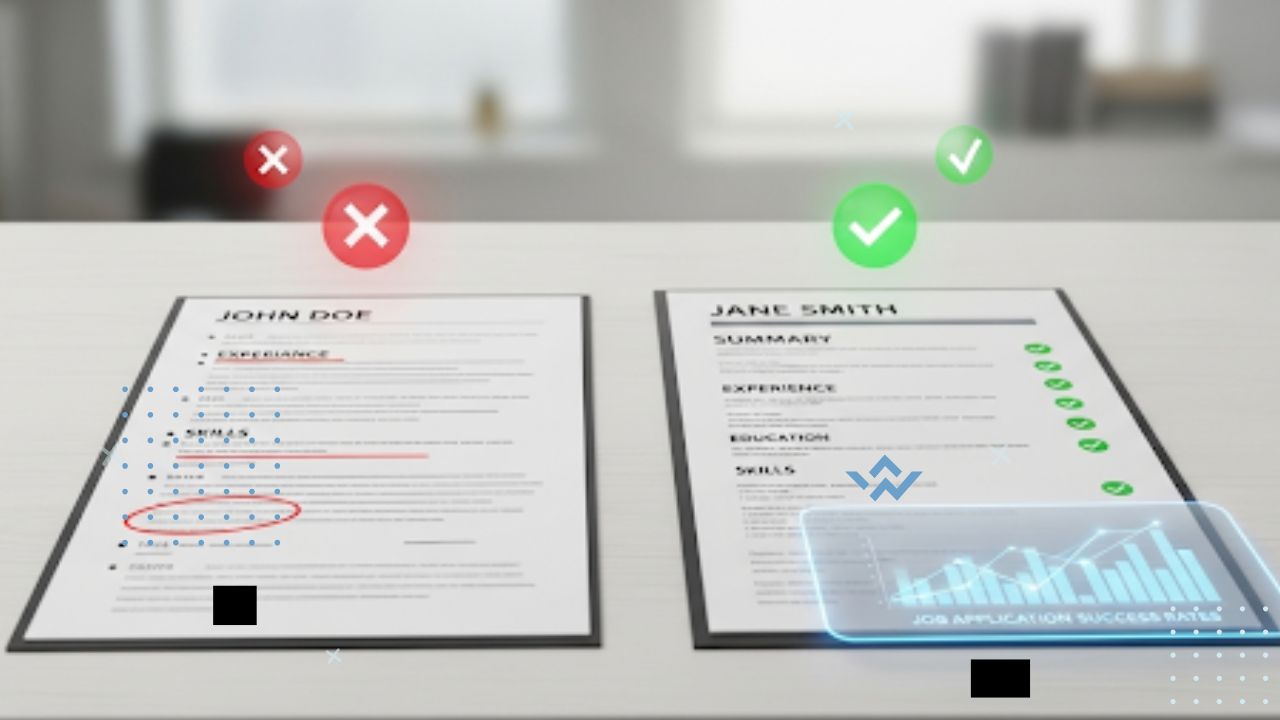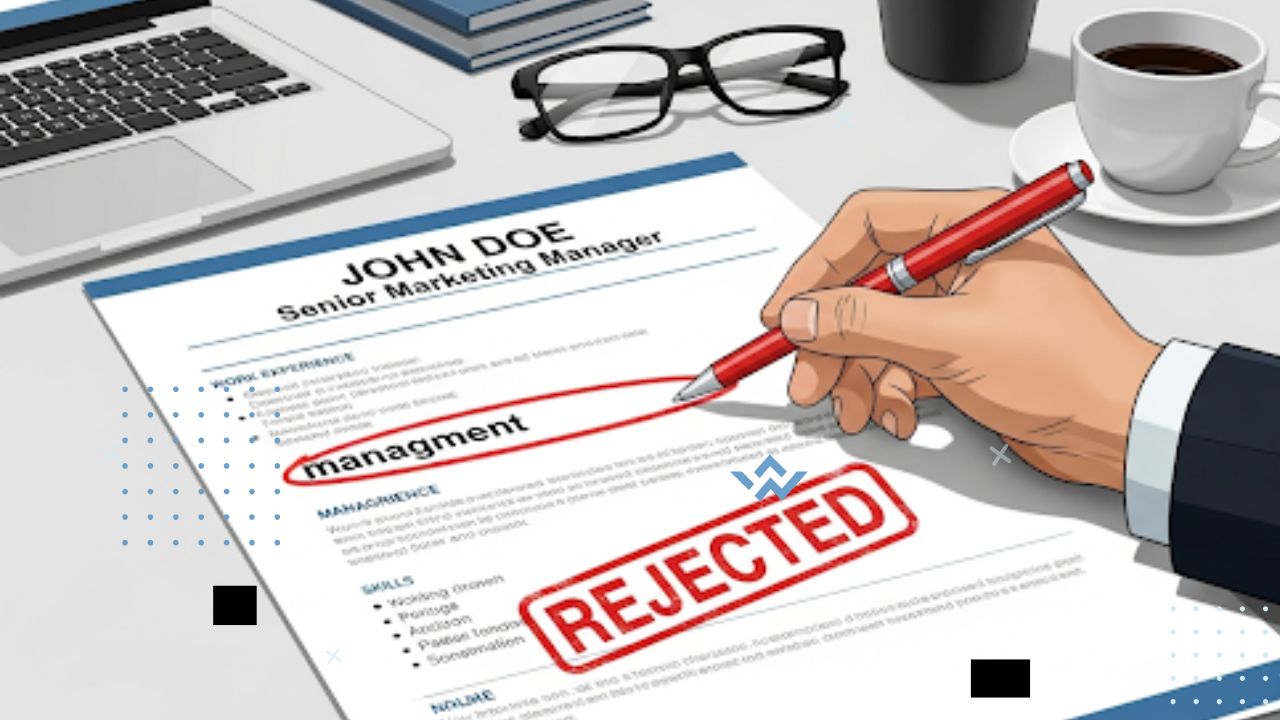
Imagine this You have spent hours perfecting your resume. You carefully listed your skills highlighted your best achievements and chose a clean layout. Then you hit send and feel proud But what if there is just one mistake. A small typo a missing detail or a formatting slip That one tiny error could be the reason your resume ends up in the rejection pile.
It sounds harsh but in today’s competitive job market a single mistake can be enough to cost you an interview. Let’s break down why this happens and how you can avoid it.
Why Employers Notice Mistakes So Quickly
Hiring managers often have to scan through hundreds of resumes for a single job opening. They are moving fast which means they do not always have time to give every resume a deep read Mistakes jump out quickly.
Think about it If you are applying for a job that requires attention to detail and your resume has a spelling error the hiring manager may assume you are careless If you forget to include dates for a job they may question your reliability In short even one slip can create doubt.
Common Mistakes That Can Ruin Your Resume
Some errors are small but others can instantly kill your chances Here are a few that happen more often than you think.
- Spelling and grammar errors Nothing says rushed or careless like a misspelled word.
- Wrong company name Applying to Company A but writing Company B shows lack of focus.
- Messy formatting Uneven spacing random fonts or clutter makes your resume look unprofessional.
- Missing contact details Forgetting your phone number or email means the recruiter cannot reach you even if they like you.
- Incorrect dates or job titles These raise red flags about honesty and accuracy.
Why One Mistake Feels Bigger Than It Is
The truth is one mistake might not mean you are unqualified But in a crowded job market it gives hiring managers an easy reason to move on Think of it this way If they have two strong resumes in front of them one with an error and one without which one do you think they will pick.
It is not always about perfection It is about trust A resume mistake makes the recruiter wonder If this person makes mistakes here what will they be like on the job.
How to Catch Mistakes Before Sending
You can protect yourself by building a strong checking routine Here are a few simple steps
- Step away before reviewing Take a break then come back with fresh eyes
- Read out loud You will notice errors your eyes skip over
- Ask someone else to review A friend or mentor may catch things you miss
- Use tools wisely Spell check helps but do not rely only on it
- Double check names and numbers Make sure company names job titles and contact details are accurate
The Pressure of Applicant Tracking Systems
In 2025 many companies use software called Applicant Tracking Systems or ATS These systems scan resumes for keywords and formatting If your resume has mistakes such as the wrong file format or poorly placed keywords it might get filtered out before a human even sees it
That is why clean formatting and error free writing matter more than ever
How to Recover if You Already Sent a Resume with a Mistake
It happens to everyone Maybe you notice after you hit send If the job posting is still open and you have time you can send an updated version with a quick note like Please find an updated version of my resume attached While not perfect it shows accountability and professionalism.
If you cannot resend then focus on preparing well for the interview If you get called in be ready to highlight your strengths and make up for that slip in person.
FAQs
1 What is the most common mistake people make on resumes
The most common mistake is typos or small grammar errors They seem minor but they create a bad first impression
2 Will one mistake always get me rejected
Not always Some employers may overlook a small issue but with tough competition it is risky to rely on luck
3 How can I make sure my resume is mistake free
Build a review process Always proofread twice ask a friend to check and make sure your details like company names and dates are accurate