When it comes to job hunting, your resume is often your first introduction to an employer. Think of it as a handshake you want it to feel confident, professional, and memorable. A well-crafted resume can open doors, while one full of mistakes can quietly shut them before you even get a chance to interview.
So, what really separates a strong resume from a mistake-filled one? Let’s break it down in a way that’s clear, practical, and easy to follow.
A Good Resume Tells a Story, Not Just a Timeline
One of the biggest differences between a good resume and a weak one is how the information is presented.
- Good Resume: Focuses on achievements, results, and impact. For example: “Increased sales revenue by 25% in six months by launching targeted marketing campaigns.”
- Mistake-Filled Resume: Lists tasks without context. For example: “Responsible for sales and marketing activities.”
Employers want to see not just what you did but how well you did it.
Formatting: Clean vs. Cluttered
First impressions matter, and your resume’s design is part of that.
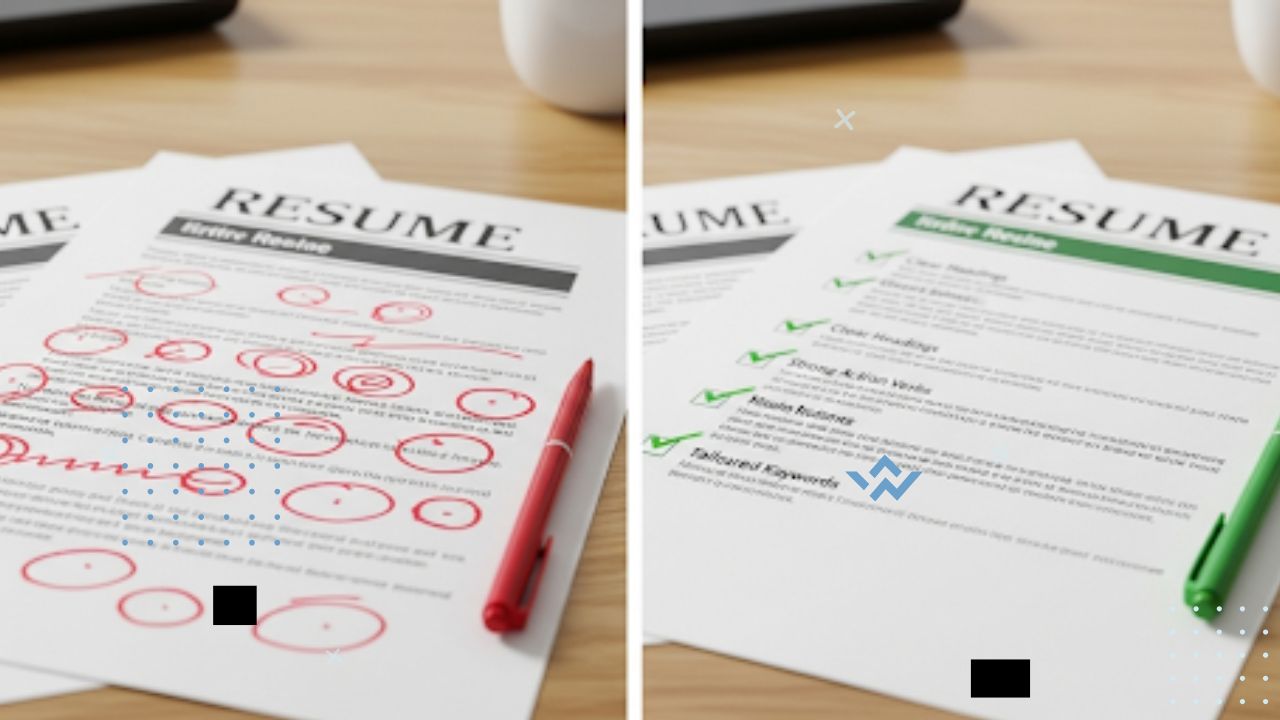
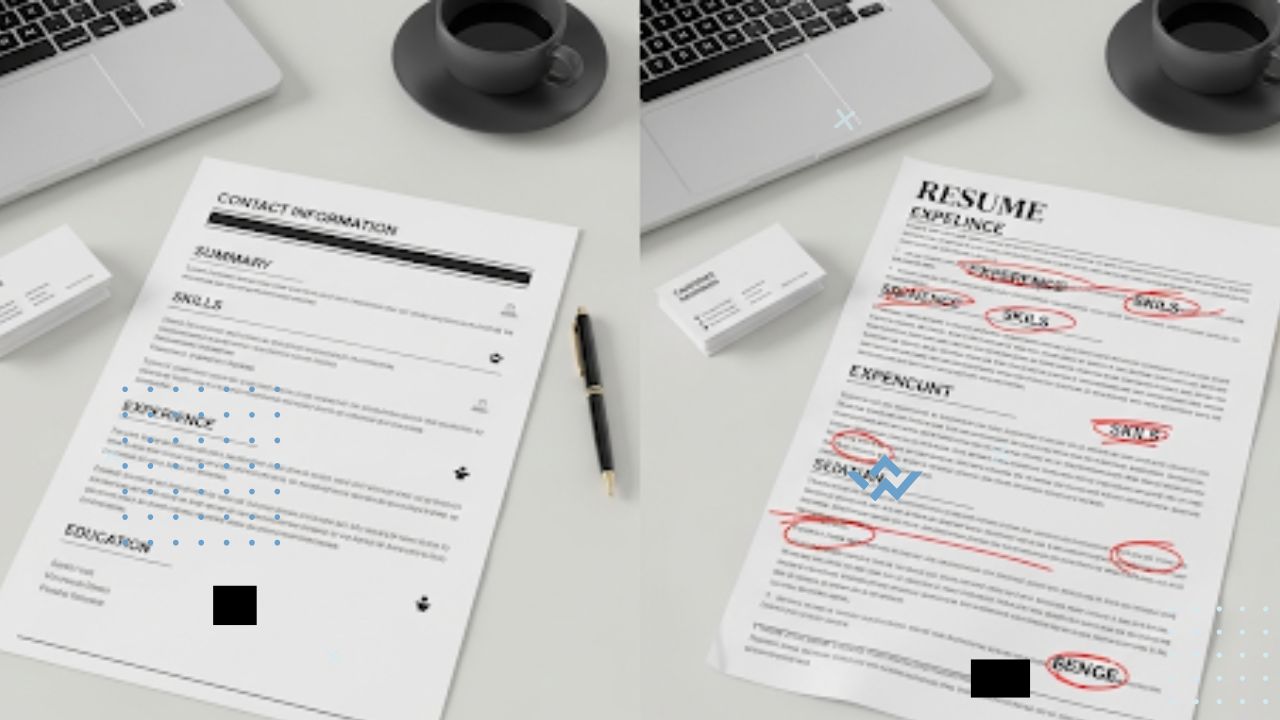
- Good Resume: Uses a clean, consistent layout with proper spacing, bullet points, and easy-to-read fonts.
- Mistake-Filled Resume: Overloaded with bold, italics, random colors, or inconsistent headings that make it hard to scan.
Imagine a recruiter skimming through 200 resumes in one afternoon yours should be the one that looks polished and simple at first glance.
Grammar and Spelling: Small Errors, Big Impact
This might sound obvious, but typos and grammar slips are deal-breakers.
- Good Resume: Free from errors, proofread multiple times, maybe even checked with tools like Grammarly or reviewed by a friend.
- Mistake-Filled Resume: Includes spelling errors (“manger” instead of “manager”), inconsistent tenses (“Manage projects” vs. “Managed projects”), or missing punctuation.
Recruiters see careless mistakes as a red flag it signals a lack of attention to detail.
Tailoring vs. Copy-Pasting
- Good Resume: Customized for the job by aligning keywords from the job description with your skills and experience.
- Mistake-Filled Resume: Generic, one-size-fits-all resume sent to every role, regardless of relevance.
For example, if you’re applying for a marketing role, highlight SEO, content strategy, or campaign analytics instead of keeping vague statements like “Strong communication skills.”
Highlighting Skills the Right Way
- Good Resume: Balances hard skills (software, technical knowledge) and soft skills (leadership, teamwork) with examples.
- Mistake-Filled Resume: Either overloads with buzzwords (“team player, hard worker, detail-oriented”) or misses key technical skills altogether.
Employers want proof of your skills, not just claims. Show results, numbers, or specific projects that demonstrate them.
Length and Relevance
- Good Resume: Stays concise usually one page (for early-career professionals) or two pages (for those with 10+ years of experience). Only includes relevant experience.
- Mistake-Filled Resume: Overly long, with unrelated jobs from decades ago, or too short with barely any detail.
Think of your resume as a highlight reel, not a life story.
The Tone: Confidence vs. Desperation
- Good Resume: Uses confident, action-oriented language. For example: “Led a team of five to deliver projects ahead of schedule.”
- Mistake-Filled Resume: Sounds passive or desperate. For example: “Was given tasks by my boss and tried to complete them.”
Employers want to see ownership of your work, not hesitation.
To Sum It All Up
The difference between a good resume and a mistake-filled one is attention to detail, clarity, and personalization. A good resume doesn’t just say you’re qualified it shows it with proof, formatting, and confidence.
If you’re polishing your resume right now, remember:
- Keep it clean and easy to scan.
- Highlight achievements, not just tasks.
- Double-check grammar and spelling.
- Customize for each role.
It’s these small, intentional fixes that turn your resume from just “okay” into “interview-ready.”
Your Questions Answered
1. How long should my resume be?
Most job seekers should keep it to one page. If you have over 10 years of relevant experience, two pages are fine. Anything longer usually loses attention.
2. Do I really need to customize my resume for every job?
Yes! Employers use Applicant Tracking Systems (ATS) that scan for keywords. Tailoring your resume increases your chances of passing that scan and catching a recruiter’s eye.
3. What’s the quickest way to improve a mistake-filled resume?
Start with formatting. Make it clean and consistent, then fix grammar and spelling errors. Next, replace generic job duties with specific achievements that include numbers or measurable impact.