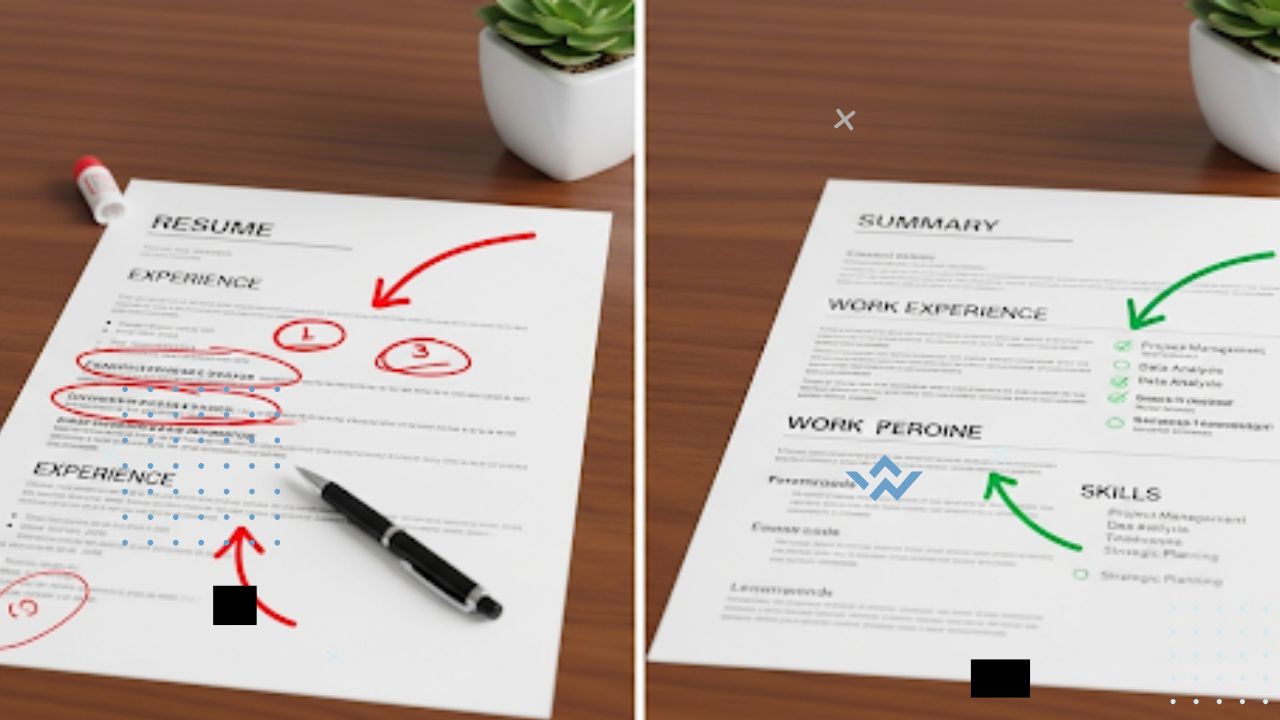
Simple Resume Fixes: Avoid These Costly Mistakes
Your resume is often the first impression you make on an employer. Think of it as your personal marketing flyer it tells people who you are, what you can do, and why you’re the right fit. The problem? Even small mistakes can cost you big opportunities.
The good news is, you don’t need to be a resume-writing expert to get it right. A few simple fixes can turn a “maybe” into a confident “yes.” Let’s walk through the most common resume mistakes and how you can easily fix them.
1. The Typos That Sneak In
You’d be surprised how many resumes land in the trash because of one or two typos. Even highly qualified candidates can lose out over a missing letter or grammar slip.
Why it matters: Employers want to see attention to detail. A resume with errors suggests you might make mistakes at work, too.
Simple fix:
- Run your resume through a spell-check tool.
- Print it out and review it slowly.
- Ask a friend to take a quick look fresh eyes catch things you miss.
A polished resume says, “I care about the details.”
2. Using an Outdated Email Address
Still using that old email you made in high school? Something It’s time for an upgrade.
Why it matters: A quirky or outdated email address can make you look unprofessional.
Simple fix:
- Create a professional email format.
- Keep it simple nothing fancy.
Real-world example: I once knew someone who used partyanimal@… as their email. They never understood why they weren’t hearing back. Enough said.
3. Writing Job Descriptions Instead of Achievements
Listing your duties is fine, but hiring managers want to know what you accomplished. Saying “Managed social media accounts” doesn’t tell them much.
Why it matters: Employers need to see results, not just responsibilities.
Simple fix:
- Use action verbs like “increased,” “improved,” or “developed.”
- Add numbers or outcomes when possible.
Example: Instead of “Handled sales calls,” try “Managed 20+ client accounts and boosted sales by 18% in six months.”
4. Making It Too Long (or Too Short)
Some people try to include every single job they’ve ever had. Others cut their resume down so much that it barely says anything. Both approaches can backfire.
Why it matters: Recruiters spend only a few seconds scanning each resume. A long, cluttered one feels overwhelming, while a too-short one looks unimpressive.
Simple fix:
- Stick to 1–2 pages.
- Focus on the last 10–15 years of relevant experience.
- Cut anything that doesn’t support the job you’re applying for.
5. Forgetting About Keywords
These days, many companies use Applicant Tracking Systems (ATS) to filter resumes. If yours doesn’t include the right keywords, it might never get seen by a human.
Why it matters: Missing keywords can make you look underqualified, even if you’re not.
Simple fix:
- Read the job posting carefully.
- Pick out the skills and requirements listed.
- Naturally weave those words into your resume.
Example: If the ad says “project management software experience,” don’t just write “organized projects.” Name the software you used, like “Managed timelines with Asana and Trello.”
6. Gaps Without Explanations
Life isn’t always a straight line. Career breaks happen. But if your resume shows big gaps without any explanation, hiring managers may wonder why.
Why it matters: Employers may assume you were struggling to find work—or hiding something.
Simple fix:
- Briefly mention the reason in your cover letter.
- Highlight any freelance work, courses, or skills you picked up during the gap.
- Keep it positive and professional.
7. Bad Formatting
Your resume should be easy to scan at a glance. Fancy fonts, tiny text, or inconsistent spacing only make it harder for employers to read.
Why it matters: A messy resume feels unprofessional and discourages people from giving it serious attention.
Simple fix:
- Stick with clean, simple fonts like Arial or Calibri.
- Use consistent bullet points and spacing.
- Make sure section headings stand out.
Think of your resume as a quick-read brochure, not a puzzle to solve.
8. Adding Irrelevant Information
Employers don’t need to know your high school GPA or that you won a spelling bee in fifth grade.
Why it matters: Extra fluff makes it harder for recruiters to find the information that actually matters.
Simple fix:
- Remove outdated or irrelevant details.
- Focus on skills, experience, and achievements that match the job.
Last Little Reminder
Fixing your resume doesn’t have to be overwhelming. Most mistakes are easy to spot once you know what to look for and the fixes are simple. Think of your resume as your personal story on paper. It should feel professional, clear, and true to who you are.
Every mistake you avoid brings you one step closer to landing that interview. And with a polished resume in hand, you’ll walk into the hiring process with confidence.
Popular Questions
Q1. Should I tailor my resume for every job application?
Yes. You don’t need to rewrite everything, but adjusting keywords and highlighting the most relevant skills for each job can make a huge difference.
Q2. Is it okay to use a resume template?
Absolutely. Templates can save time and give your resume a clean look. Just make sure it’s simple and ATS-friendly.
Q3. Do I need to include references on my resume?
Not anymore. Employers will ask if they want them. Instead, use the space to highlight your achievements.
Leave a Reply