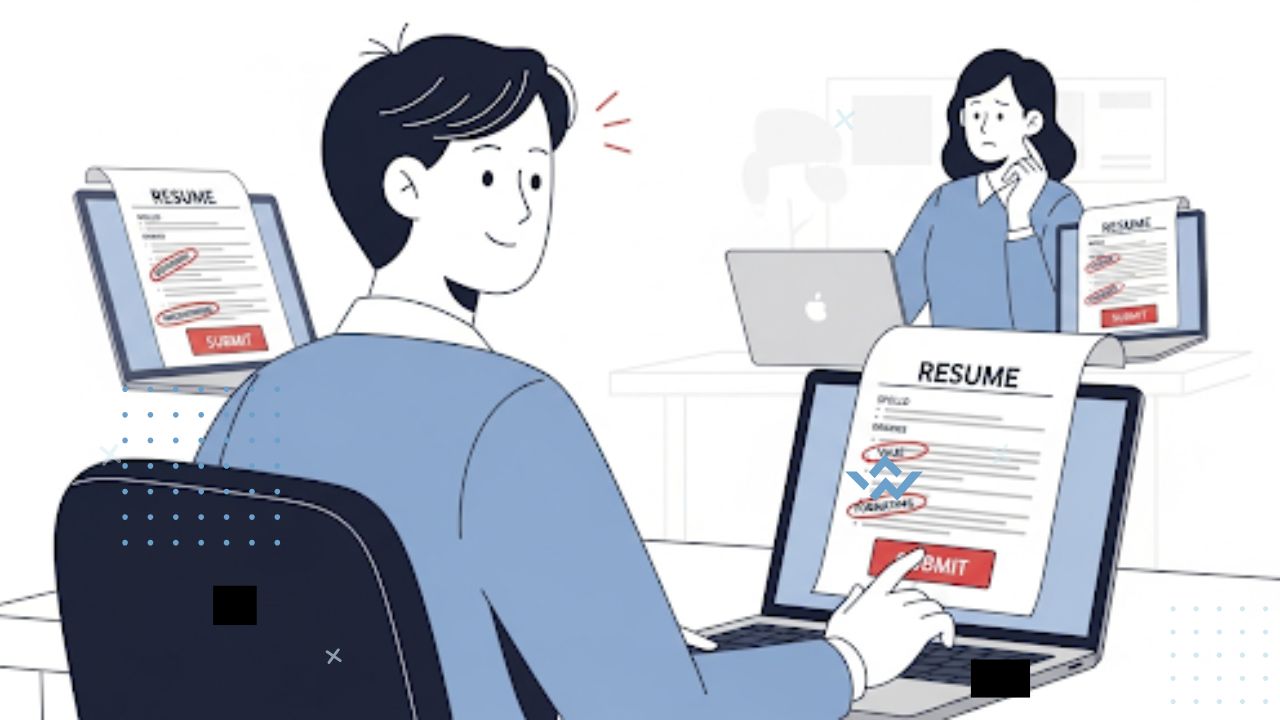
Imagine this: a hiring manager opens your resume. They’re skimming through dozens (sometimes hundreds) of applications, coffee in hand, looking for a spark. Your skills might be impressive, but one small mistake could land your resume in the “no” pile faster than you think.
The truth is, there are certain resume mistakes that drive hiring managers nuts even if they don’t always say it out loud. The good news? Once you know what they hate, you can easily avoid these slip-ups and give yourself a better shot at landing that interview.
1. Typos and Grammar Errors
Why it’s a problem: Nothing screams “careless” more than spelling mistakes. If you write “manger” instead of “manager,” hiring managers start questioning your attention to detail.
Easy Fix:
- Use tools like Grammarly or Hemingway to proofread.
- Read your resume out loud it helps catch awkward phrasing.
- Ask a friend to give it one final check.
Remember, if you don’t take the time to polish your resume, why should they believe you’ll be detail-oriented at work?
2. Overstuffing with Buzzwords
Why it’s a problem: Words like “go-getter,” “hardworking,” or “team player” sound nice, but they’re empty without proof. Hiring managers see these terms so often, they’ve lost meaning.
Easy Fix:
Show, don’t tell. Instead of saying you’re a “team player,” write:
- “Collaborated with 6 team members to launch a product two weeks early.”
That’s proof, not fluff.
3. Listing Job Duties Instead of Achievements
Why it’s a problem: Hiring managers already know what a marketing coordinator or sales associate does. They don’t want a list of duties they want to see impact.
Easy Fix:
- Turn duties into achievements.
- Use numbers, percentages, or results where possible.
Example:
“Responsible for managing social media.”
“Increased Instagram followers by 25% in three months through targeted campaigns.”
4. Too Much “Creative” Formatting
Why it’s a problem: You may think your colorful design with five fonts looks amazing, but ATS software (Applicant Tracking Systems) and even hiring managers can get frustrated trying to read it.
Easy Fix:
- Stick to clean, professional layouts.
- Use one or two fonts max.
- Save as a PDF unless the job description asks otherwise.
If you’re in a design-heavy role, show creativity in your portfolio, not your resume.
5. Being Too Generic
Why it’s a problem: Sending the same resume to 50 different jobs screams laziness. Hiring managers can tell when you didn’t bother tailoring it.
Easy Fix:
- Match your resume to the job posting.
- Highlight the skills and experiences that are most relevant.
- Create a “master resume,” then trim it for each application.
6. Making It Too Long
Why it’s a problem: Hiring managers spend an average of 6–8 seconds on an initial scan. If your resume is three or four pages long, they won’t read it all.
Easy Fix:
- Stick to one page if you have less than 10 years of experience.
- Two pages max for seasoned professionals.
- Cut older or irrelevant jobs.
7. Using an Unprofessional Email Address
Why it’s a problem: might’ve worked in high school, but it doesn’t give off a professional vibe in 2025.
Easy Fix:
- Use a simple format.
- If your name is taken, add a middle initial or number.
You want them to focus on your skills, not your quirky email.
8. Leaving Out Soft Skills
Why it’s a problem: Hard skills (like Excel, Python, or SEO) are important, but hiring managers also care about communication, leadership, and problem-solving.
Easy Fix:
Show soft skills through examples, not by listing them.
- “Led weekly meetings with a cross-functional team of 8.”
- “Trained 5 new employees in company processes.”
9. Including Irrelevant or Outdated Jobs
Why it’s a problem: Listing that summer job from 12 years ago that has nothing to do with your current career just clutters your resume.
Easy Fix:
- Focus on the last 10 years of work experience.
- Only include older jobs if they’re directly relevant.
10. Forgetting Contact Details
Why it’s a problem: You’d be surprised how many resumes don’t include a phone number, email, or LinkedIn. If they can’t reach you, they won’t.
Easy Fix:
- Always include: name, phone number, email, LinkedIn (optional but recommended).
- Make sure your voicemail greeting is professional.
Quick Recap: What Hiring Managers Secretly Hate
- Typos and careless errors.
- Fluff and buzzwords with no proof.
- Duties instead of achievements.
- Overly “creative” designs.
- Generic, one-size-fits-all resumes.
- Resumes that are too long.
- Unprofessional contact details.
- Missing soft skills or outdated jobs.
Fix these, and you’ll instantly stand out from the pile.
FAQs
1. Should I include hobbies on my resume?
Only if they’re relevant to the job or show useful skills (like teamwork, creativity, or leadership). Otherwise, skip them.
2. Do hiring managers really care about soft skills?
Yes! Employers don’t just want someone who can do the job they want someone who can work well with people. Just remember to show soft skills through examples, not buzzwords.
3. Is it okay to use a resume template from the internet?
Absolutely. Just make sure it’s clean, ATS-friendly, and easy to read. Avoid overly fancy designs that might confuse recruiters or software.