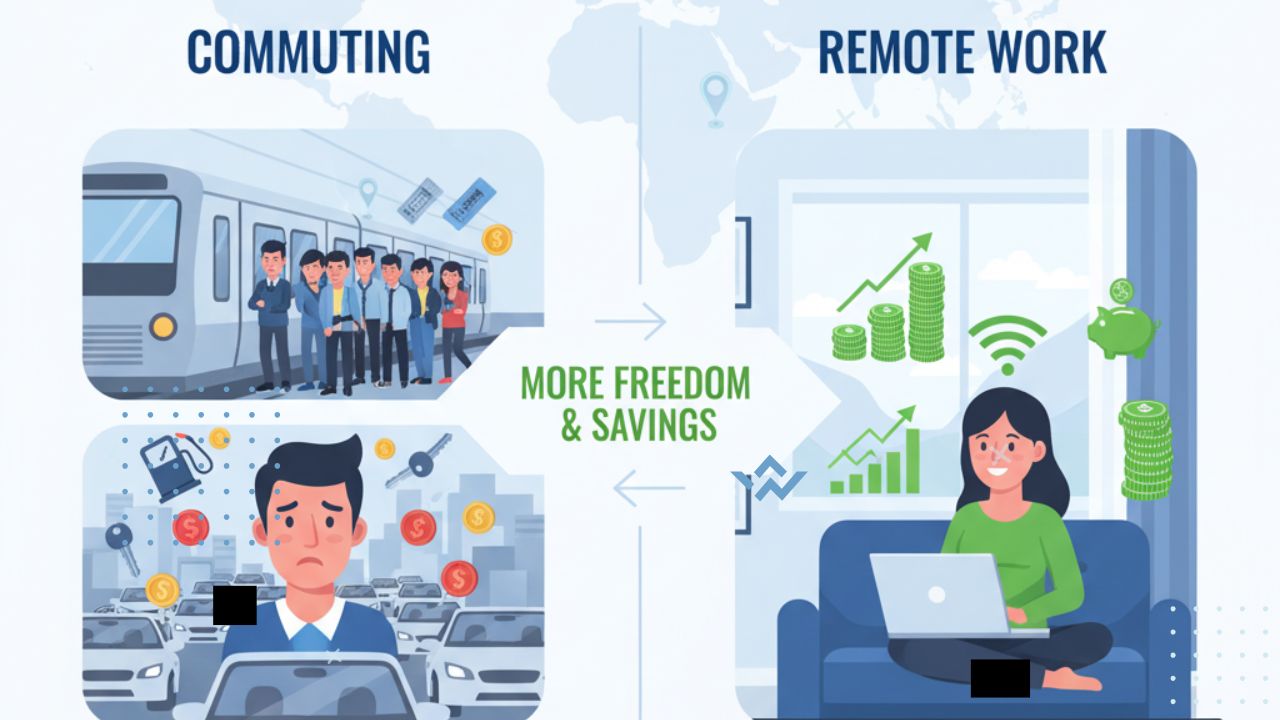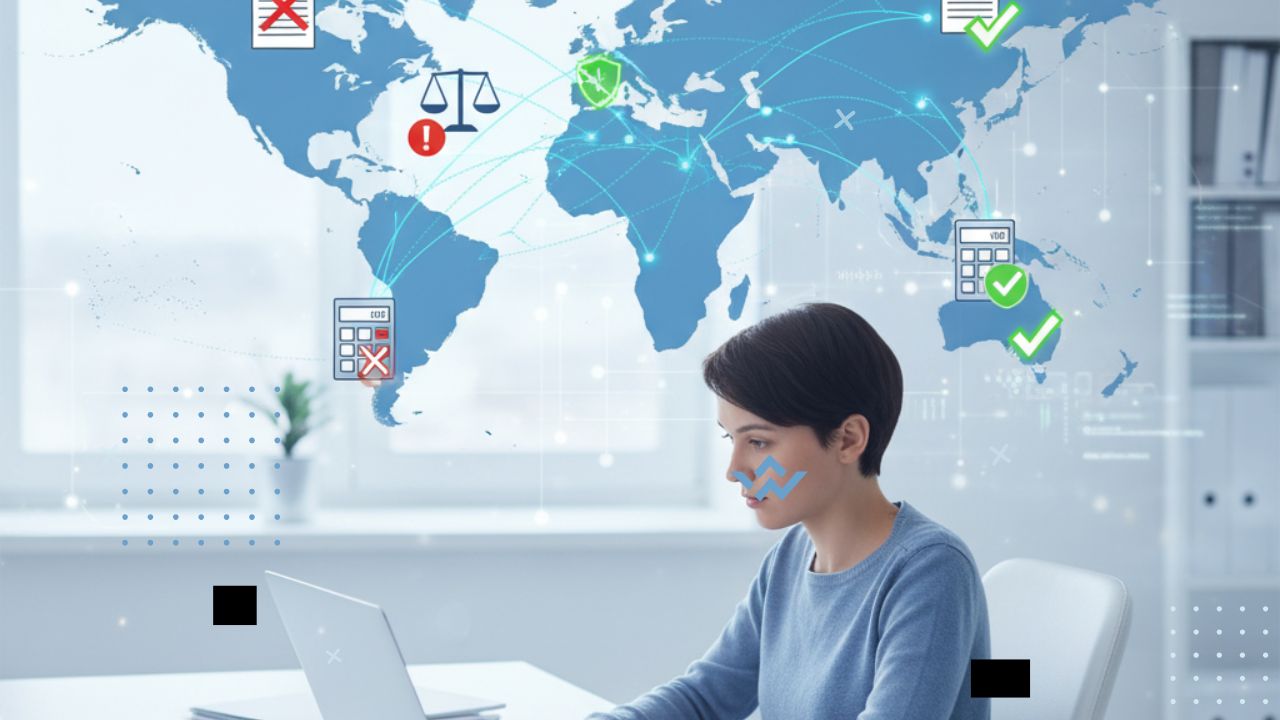
Remote work has opened doors for people to live and work from almost anywhere. A software developer in Spain can work for a company in the United States. A designer in India can support a client in Germany. While this flexibility sounds amazing, it also brings challenges that many workers do not think about at first. Taxes and legal responsibilities are at the top of that list.
If you plan to work remotely from another country or hire people abroad, it is important to understand how taxes and laws apply to you. Ignoring these details can cause stress, unexpected bills, or even fines. Let’s break it down in simple terms so you know what to watch for.
Why Taxes Matter for Remote Work Abroad
When you work in your home country, taxes are usually straightforward. You pay income tax where you live and your employer handles the rest. But when you cross borders, things get complicated.
Here is why taxes matter:
- Some countries require you to pay taxes if you live there for more than a set number of days.
- Your employer may need to register with local tax authorities.
- You could end up paying taxes in two countries if there is no special agreement in place.
For example, if you are a US citizen working remotely in France, you may still have to pay US taxes while also paying French taxes unless a tax treaty applies.
Understanding Tax Residency
The concept of tax residency is key. Each country has its own rules to decide if you are considered a tax resident.
Common rules include:
- Number of days spent in the country.
- Where your main home is located.
- Where your family or economic ties are strongest.
If you stay in a country long enough, even if you are working for a foreign company, you may be treated as a resident and taxed on your income there.
Employer Responsibilities
It is not just employees who need to think about taxes. Employers also have legal duties when hiring remote staff abroad.
Possible responsibilities include:
- Registering with local tax offices.
- Withholding local income taxes.
- Paying into social security systems.
- Following labor laws such as working hours or leave policies.
For example, a company in the UK that hires a full time worker in Brazil may need to follow Brazilian labor rules even if the company itself is not based there.
Legal Risks for Remote Workers
Working abroad without checking the rules can create legal problems. Some common risks are:
- Visa issues. Many countries require a special visa if you are working, even remotely. A tourist visa is often not enough.
- Double taxation. Without a tax treaty, you might have to pay taxes in both your home country and the country you are living in.
- Unexpected penalties. Late tax filings or missing registrations can result in large fines.
A simple example. A freelance writer moved to Italy and continued working for US clients. She assumed that since her income came from the US, she only had to pay US taxes. Later, she received a large bill from Italian authorities for unpaid taxes because she had been living there more than six months.
Practical Solutions for Staying Compliant
Here are some practical ways to avoid trouble:
- Check tax treaties. Many countries have agreements to prevent double taxation. Look these up before you move.
- Consult local experts. An accountant or tax advisor in the country where you are working can explain your obligations clearly.
- Keep records. Track how many days you spend in each country and keep copies of your contracts and payments.
- Use employer of record (EOR) services. These services help companies legally employ workers abroad while handling payroll and taxes.
- Get the right visa. If you are moving abroad, check if a digital nomad visa or work visa is required.
Building Smart Remote Work Policies
For companies, creating clear policies is important to protect both the business and employees. Policies should include:
- Rules about where employees can work from.
- Who is responsible for tax and legal compliance.
- Guidance on visas, social security, and benefits.
- A process for reviewing each remote work request abroad.
These policies set clear expectations and help avoid surprises down the road.
Final Thoughts
Remote work abroad is exciting and offers new opportunities, but it comes with responsibilities. Taxes and legal rules vary from country to country. The safest path is to prepare in advance, ask questions, and seek advice. Whether you are an employee planning to move or company hiring globally, smart planning can save you from headaches later.
In the end, working abroad should be about enjoying the experience and growing your career, not worrying about unexpected tax bills.