In 2025, with 62% of job interviews conducted virtually and a competitive job market driven by industries like healthcare (facing $70 billion in Medicaid cuts) and tech (with a 32.1% AI market CAGR through 2030, per IndexBox), preparing for an interview requires meticulous attention to detail. A well-executed interview day can set you apart, whether in-person or virtual. This blog provides a comprehensive, real-world checklist covering body language, documents, attire, and other essentials to ensure you shine, with practical tips tailored for professionals in any field.
Why Preparation Matters
A successful interview hinges on preparation, as 68% of hiring managers prioritize confidence and communication skills, per a 2024 LinkedIn report. From mastering body language to having the right documents, a thorough checklist addresses both virtual and in-person dynamics, ensuring you’re ready to impress in a market where 75% of resumes are filtered by applicant tracking systems (ATS) before reaching human eyes (Forbes, 2024).
Interview Day Checklist
1. Body Language
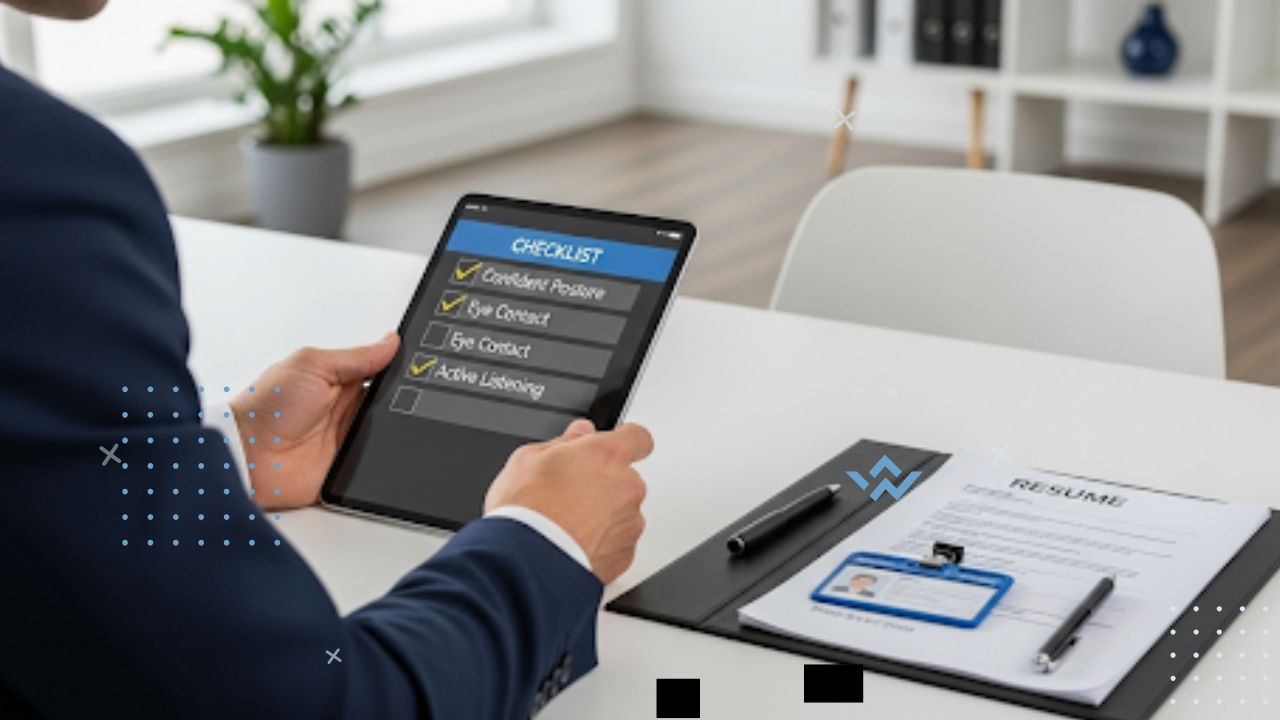
- Why It Matters: Nonverbal cues influence 55% of first impressions, per a 2025 Harvard Business Review study. Positive body language signals confidence and engagement.
- In-Person Tips:
- Maintain eye contact 60–70% of the time to show attentiveness.
- Sit upright with shoulders back, avoiding slouching or fidgeting.
- Offer a firm handshake (if culturally appropriate) and a genuine smile.
- Virtual Tips:
- Look at the camera, not the screen, to simulate eye contact, critical for 62% of virtual interviews (LinkedIn, 2024).
- Keep hands visible but relaxed, avoiding excessive gestures.
- Nod subtly to show active listening.
- Practice: Rehearse in front of a mirror or record a mock interview to refine gestures and expressions.
- Example: A tech candidate maintained steady eye contact and leaned slightly forward during a virtual interview, signaling engagement and securing a second round.
2. Documents and Materials
- Why It Matters: Organized documents demonstrate preparedness and professionalism, especially for roles requiring precision, like healthcare or tech.
- Checklist:
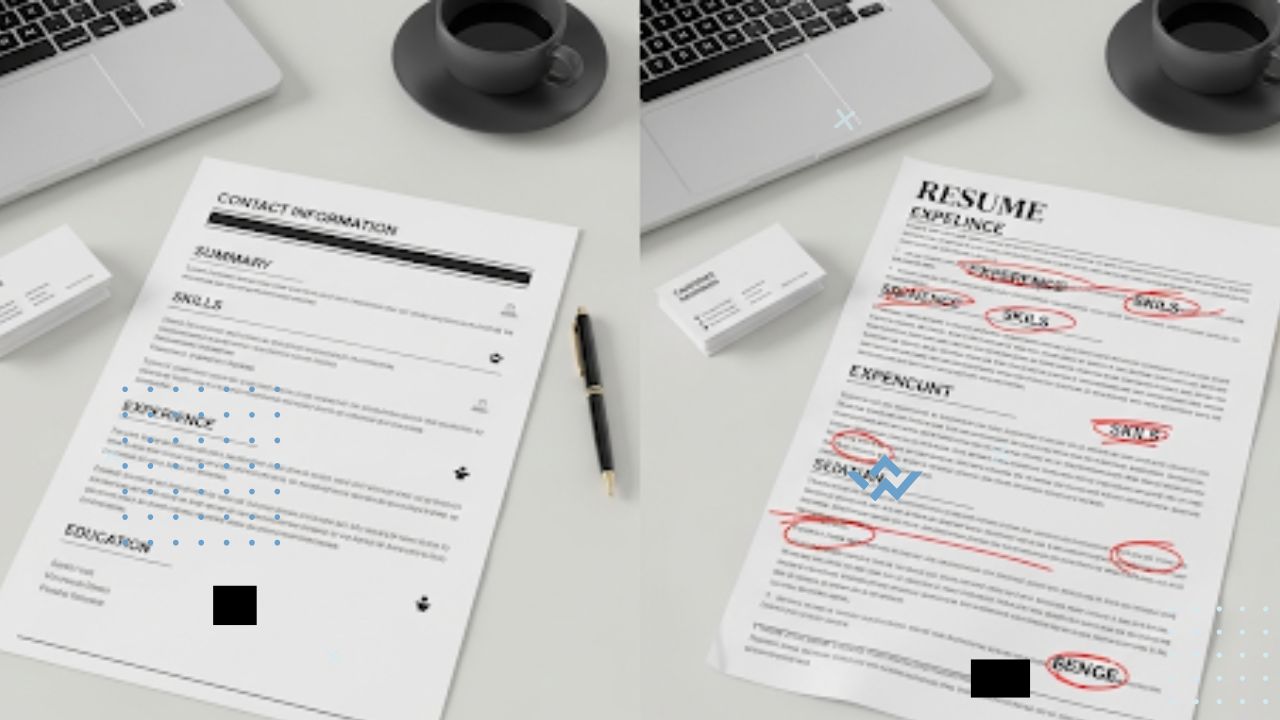
- Resume: Bring 3–5 printed copies (for in-person) or a PDF version open on your device (virtual), tailored with job-specific keywords like “HIPAA compliance” or “Python.”
- Portfolio: Include 2–3 relevant projects (e.g., EHR implementation for healthcare, AI model for tech), accessible digitally or printed.
- References: Prepare a list of 3 professional references with contact details, formatted cleanly.
- Job Description: Review and bring a copy to reference keywords during the interview.
- Notepad and Pen: Jot down notes or questions, showing engagement. For virtual interviews, use a digital note-taking app like Notion.
- ID and Certifications: Carry a government-issued ID and relevant certifications (e.g., BLS for healthcare, Azure AI for tech).
- Tip: Save digital copies on a secure cloud platform (e.g., Google Drive) and test links beforehand for virtual interviews.
- Example: A healthcare candidate brought a portfolio showcasing a triage optimization project, impressing the interviewer with quantifiable results (25% reduced wait times).
3. Attire
- Why It Matters: Professional attire aligns with company culture and boosts confidence, critical as 80% of interviewers notice appearance, per Forbes 2025.
- In-Person Tips:
- Dress one level above the company’s norm (e.g., business professional for healthcare, business casual for tech startups).
- Choose neutral colors (navy, black, gray) and avoid flashy patterns.
- Ensure clothes are clean, pressed, and fit well.
- Virtual Tips:
- Dress fully professionally, not just from the waist up, in case you need to stand.
- Avoid busy backgrounds or clothing patterns that distract on camera.
- Specifics:
- Healthcare: Opt for business professional (e.g., blazer, dress shirt) to reflect compliance-driven culture.
- Tech: Business casual (e.g., collared shirt, no tie) suits innovative environments unless specified.
- Tip: Research company culture via LinkedIn or Glassdoor to match attire expectations.
- Example: A fintech candidate wore a tailored blazer for a virtual interview, aligning with the company’s professional yet modern vibe, earning positive feedback.
4. Technology Setup (for Virtual Interviews)
- Why It Matters: Technical glitches can disrupt 30% of virtual interviews, per a 2025 Jobscan report, undermining professionalism.
- Checklist:
- Test internet connection (minimum 25 Mbps for HD video) and use a wired connection if possible.
- Verify Zoom, Teams, or other platform functionality; update software in advance.
- Use a high-quality webcam and microphone (e.g., Logitech C920, Blue Yeti) for clear visuals and audio.
- Set up a neutral, well-lit background with lighting facing you to avoid shadows.
- Have a backup device (e.g., phone with hotspot) ready for connectivity issues.
- Tip: Conduct a mock interview with a friend to test audio, video, and lighting.
- Example: A tech candidate tested their Zoom setup, avoiding a last-minute glitch that affected 20% of peers, ensuring a smooth AI developer interview.
5. Preparation and Research
- Why It Matters: Researching the company demonstrates enthusiasm and alignment, valued by 70% of hiring managers (LinkedIn, 2024).
- Checklist:
- Study the company’s mission, recent news, and challenges (e.g., healthcare budget cuts, tech’s AI adoption).
- Review the job description to align STAR Method responses with keywords like “telehealth” or “cloud computing.”
- Prepare 3–5 questions (e.g., “How does your team leverage AI tools like GPT-5?” or “How are you addressing staffing shortages?”).
- Practice common questions (e.g., “Tell me about yourself”) using the STAR Method.
- Tip: Use LinkedIn or X to check recent company updates or interviewer profiles for conversation starters.
- Example: A healthcare candidate asked about telehealth expansion, referencing a 2025 HIMSS report, impressing the interviewer with industry knowledge.
Additional Tips for 2025
- Tailor for Industry: Healthcare candidates should emphasize compliance (e.g., HIPAA), while tech candidates highlight tools like Azure or Python, per HealthTech Magazine 2025.
- Practice for Virtual Dynamics: Record a mock virtual interview to refine camera presence, as 62% of interviews are virtual (LinkedIn, 2024).
- Stay Calm Under Pressure: Use deep breathing (4-7-8 technique) to manage nerves, especially for high-stakes roles.
- Adapt for Culture: Research company dress code and values via Glassdoor or X to align attire and responses.
Challenges and Considerations
- Virtual Glitches: Technical issues disrupt 30% of interviews (Jobscan, 2025). Test setups early and have backups.
- Nervousness: Anxiety can affect body language. Practice with peers to build confidence.
- Time Management: Preparing documents and tech takes time. Start 1–2 days in advance.
- Cultural Differences: Handshakes or eye contact norms vary globally; research cultural expectations for international roles.
The Bigger Picture
In 2025, a thorough interview day checklist is critical to navigate virtual and in-person interviews in competitive fields. With healthcare addressing staffing shortages and tech leveraging AI advancements, preparation in body language, documents, attire, and tech ensures you stand out. By aligning with employer needs and showcasing professionalism, you can turn an interview into an opportunity to shine.