Working from home has become normal for millions of people. While this change offers comfort and flexibility, it also brings new challenges. Many employees struggle with blurred work life boundaries, feelings of isolation, and increased stress. That is why employers are now focusing more on mental health support for remote teams.
Let us explore how companies are helping workers feel balanced, motivated, and mentally strong while working from home.
Why Mental Health Support Matters in Remote Work
At first, working from home can feel like a dream. No commute, more family time, and a flexible schedule. But over time, the pressure can grow. Some common issues include:
- Long hours without proper breaks.
- Isolation from colleagues and friends.
- Difficulty separating work from personal life.
- Burnout caused by constant screen time.
If companies do not address these problems, employees may lose focus, feel disconnected, or even quit. That is why investing in well-being is not just good for workers but also good for business.
Popular Well-Being Initiatives Companies Use
Different organizations are testing new ideas to care for remote employees. Here are some of the most effective approaches:
1. Virtual Counseling and Therapy Services
Some companies give employees free access to online therapy sessions or mental health hotlines. This makes professional help easy to reach without leaving home.
2. Flexible Working Hours
Instead of sticking to strict 9 to 5 rules, many businesses now allow flexible hours. This helps parents, caregivers, and employees in different time zones manage work without unnecessary stress.
3. Wellness Stipends
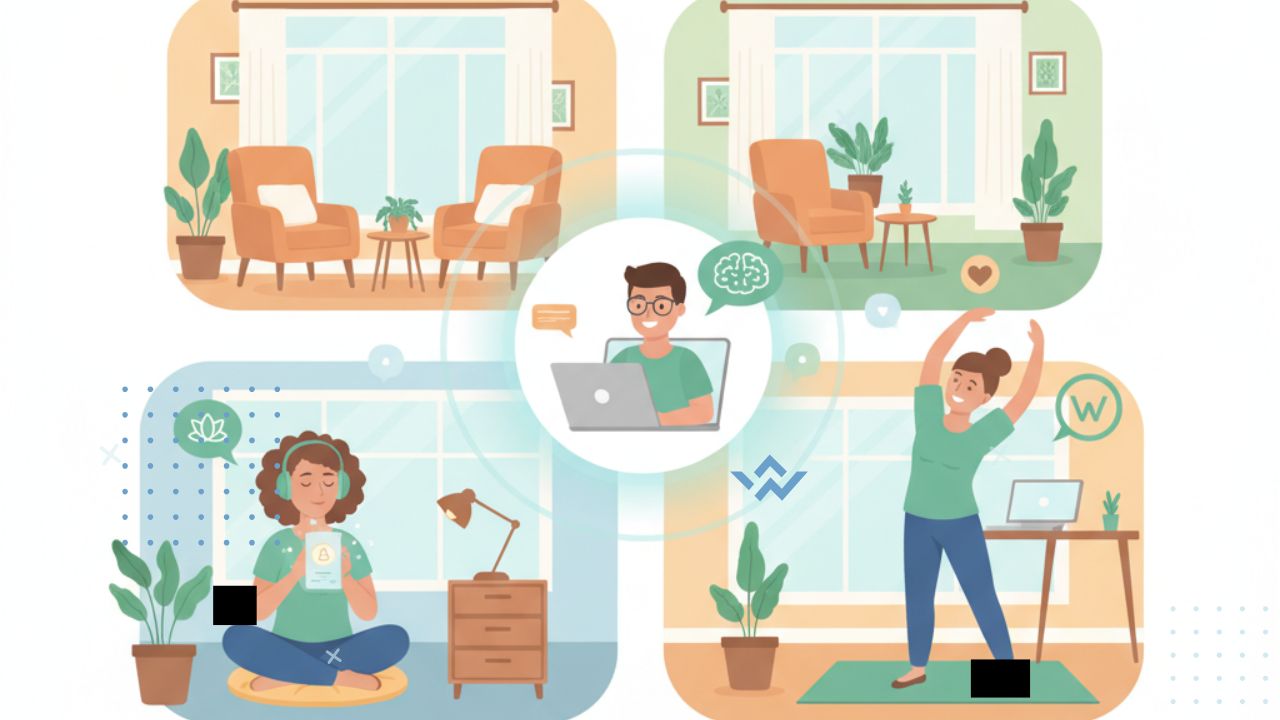
Employers sometimes provide a monthly or yearly allowance that workers can spend on gym memberships, yoga classes, meditation apps, or even ergonomic chairs.
4. Team Connection Activities
Virtual coffee chats, online team games, or casual check-ins help reduce feelings of loneliness. These activities remind workers that they are still part of a team.
5. Mental Health Days
Some organizations encourage employees to take a day off just for rest and recovery, without needing to explain too much.
Real Life Examples of Support
- A software company in California introduced a “Wellness Friday” policy where employees get the first Friday of every month off. The result was higher productivity and happier teams.
- A digital agency in India provides a meditation app subscription to every employee. Workers reported reduced anxiety after three months.
- A global consulting firm created a buddy system so remote workers always have someone to talk to about challenges or workload concerns.
These examples show that mental health initiatives do not always need to be expensive or complex. Small steps can make a big difference.
How Employees Benefit from These Programs
When companies take mental health seriously, employees notice. The benefits include:
- Better focus and productivity.
- Reduced stress and burnout.
- Stronger connections with colleagues.
- Higher job satisfaction and loyalty.
Employees who feel supported are more likely to stay longer with the company and give their best.
Simple Steps Companies Can Start With
Not every business has the budget for large wellness programs. But even small efforts matter. Employers can:
- Encourage regular breaks and share simple wellness tips.
- Train managers to recognize signs of stress in team members.
- Offer flexible schedules where possible.
- Create open spaces for honest conversations without judgment.
These low-cost actions can build a positive culture where mental well-being is valued.
The Future of WFH Well-Being
As remote work continues to grow, mental health support will become a standard part of work culture. Companies that ignore it risk losing talent, while those that prioritize it will stand out as attractive employers.
In the future, we may see even more personalized wellness programs, AI powered health check-ins, and global platforms that support workers across borders.
Final Thoughts
Mental health at work is no longer a side topic. For remote employees, it is central to long term success and happiness. Employers who invest in well-being programs build stronger, healthier teams that thrive in a remote environment. Whether it is therapy sessions, flexible hours, or simply encouraging open talks, every action counts.
At the end of the day, a job should not just pay the bills. It should also support the people behind the screens.
FAQs
1. What is the most effective well-being initiative for remote workers?
There is no one size fits all solution, but flexible working hours and access to professional counseling are among the most effective supports for mental health.
2. Do small companies need to invest a lot of money in these programs?
Not at all. Even simple actions like promoting regular breaks, holding casual check-ins, or offering a free meditation app can make a big difference.
3. How can employees take care of their own mental health while working from home?
Employees can set clear work life boundaries, take short breaks during the day, stay active, and stay connected with colleagues or friends to reduce feelings of isolation.