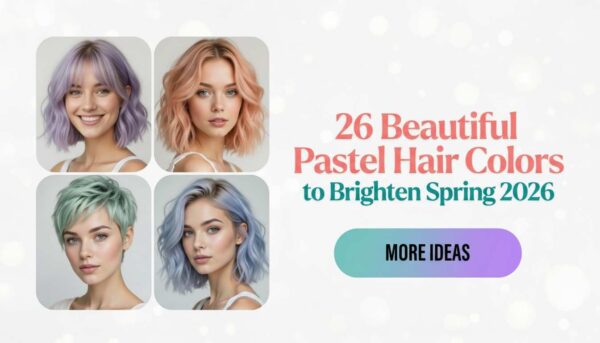
Spring 2026 Color Update: 26 Soft & Youthful Pastel Hair Ideas for Women
Pastel hair occupies fashion’s most delicate aesthetic territory—that whisper-soft color space where pigment meets ethereal, where bold color confidence paradoxically creates its impact through gentleness rather than intensity. There’s something inherently optimistic about pastel hair that makes it spring’s natural companion: both celebrate renewal, both embrace tenderness, and both understand that beauty doesn’t always need to shout to be genuinely captivating. In a world that often rewards the loudest voice, pastel hair makes the radical choice to speak softly and trust that people will lean in to listen.
Spring 2026 brings extraordinary technical advancement to achieving and maintaining beautiful pastel hair. The formulations have evolved significantly—colors that would have faded to murky disappointment within days just a few years ago now maintain their delicate beauty for weeks. Toning technology has become sophisticated enough that achieving the pale blank canvas pastel requires is less damaging than ever before. And the cultural acceptance of fashion hair colors in professional contexts means choosing pastel no longer requires compromising career credibility in most industries.
What makes this particular spring moment especially exciting for pastel enthusiasts is the beautiful range the category now encompasses. We’re celebrating everything from the palest barely-there tints that require sunlight to reveal their color presence, through soft saturated pastels with genuine color intensity, to pastel combinations that create ethereal rainbow effects through hair. The days of pastel meaning exclusively cotton-candy pink are gloriously behind us—today’s pastel palette includes sophisticated grays, warm peachy tones, cool mint greens, and everything in between.
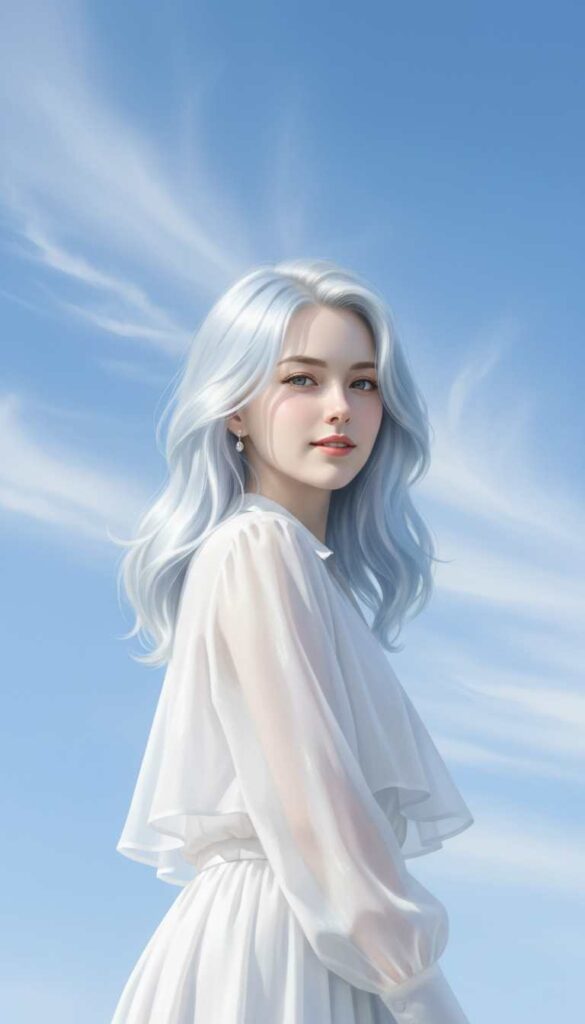
1. Cloud Blue Whisper
The palest ice blue creating barely-there color like spring sky reflection.
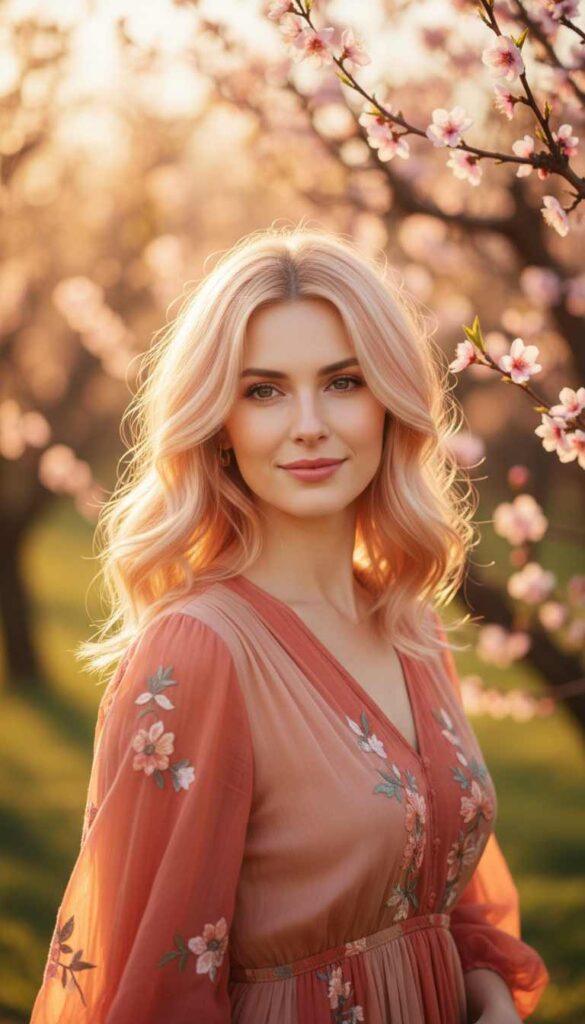
2. Peachy Cream Dream
Warm peach-toned pastel creating soft sunset-inspired elegance.
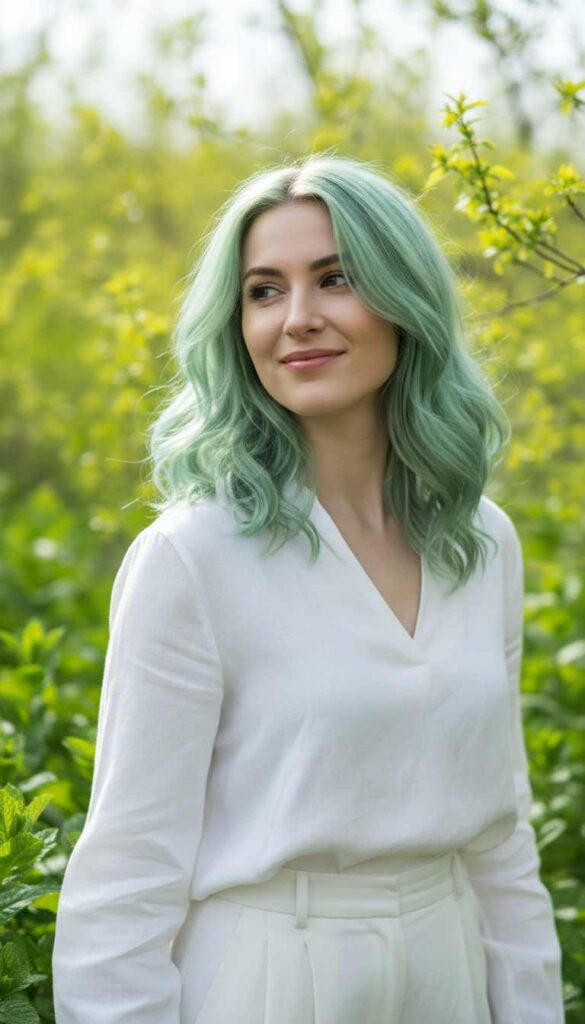
3. Mint Green Refresh
Cool mint green creating refreshing spring garden energy.
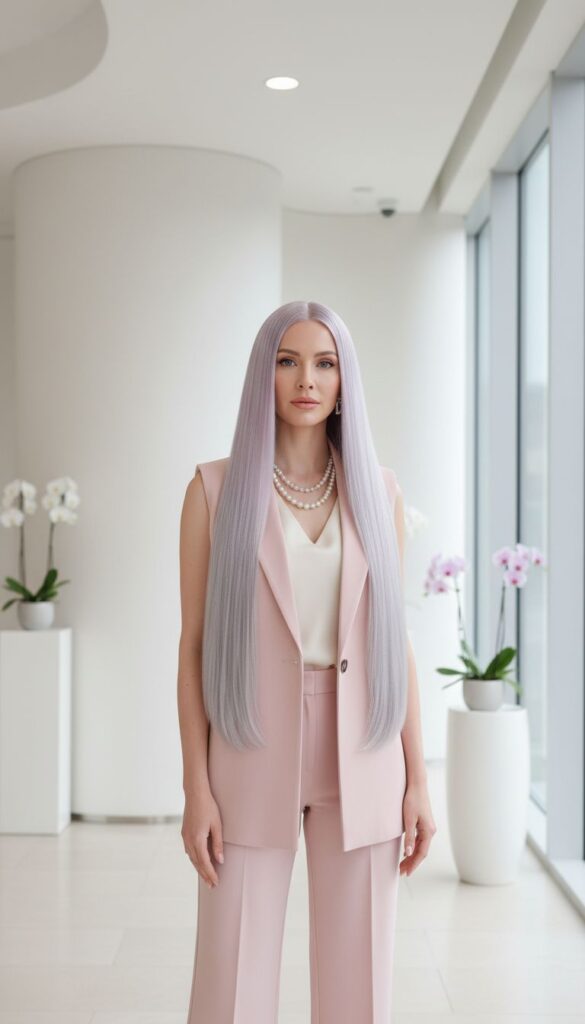
4. Lavender Silver Blend
Pale lavender melting into silver creating sophisticated pastel elegance.
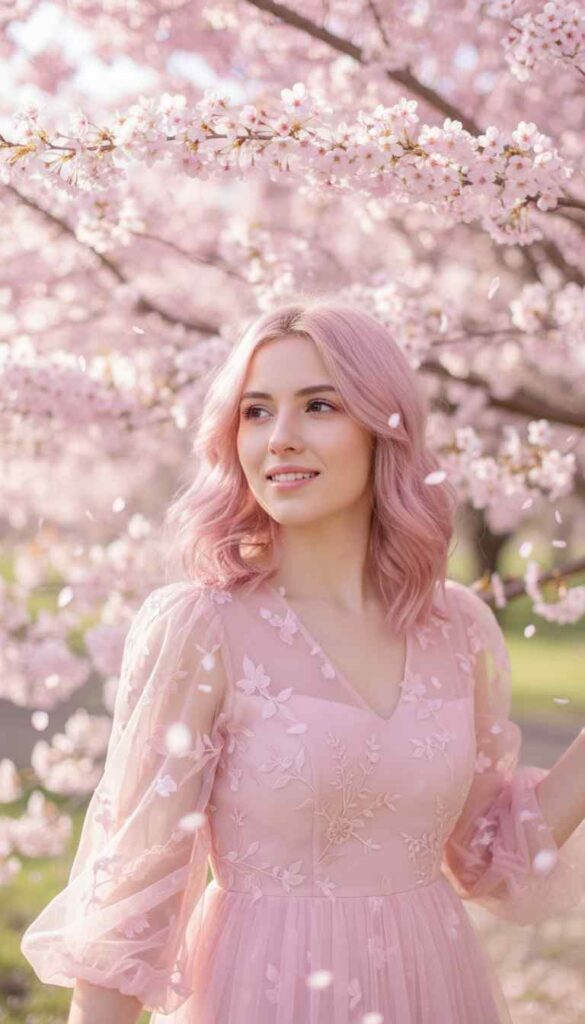
5. Baby Pink Classic
The quintessential soft baby pink creating sweet feminine spring statement.
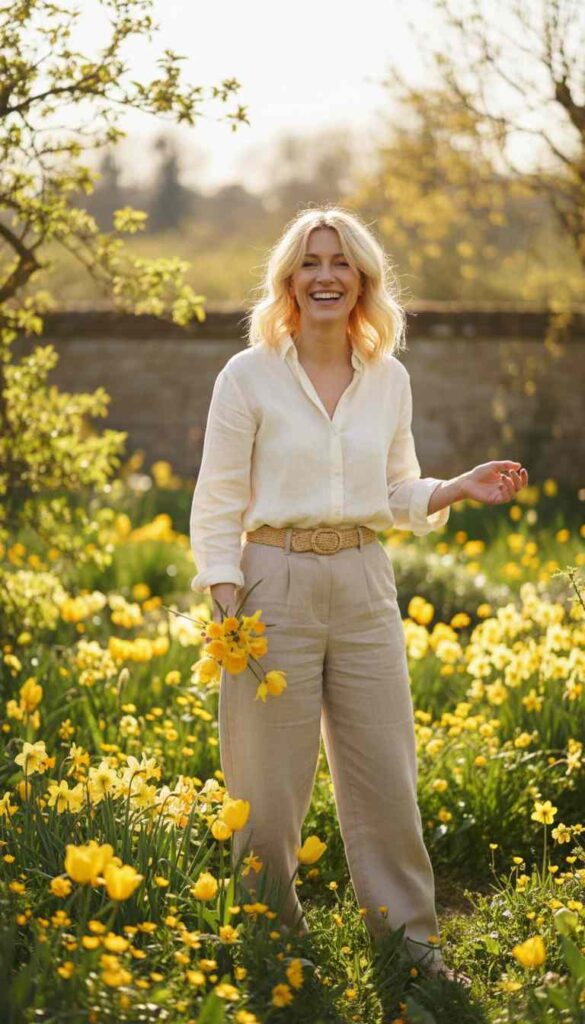
6. Buttercup Yellow Soft
Pale butter yellow creating sunshine-inspired optimistic color.
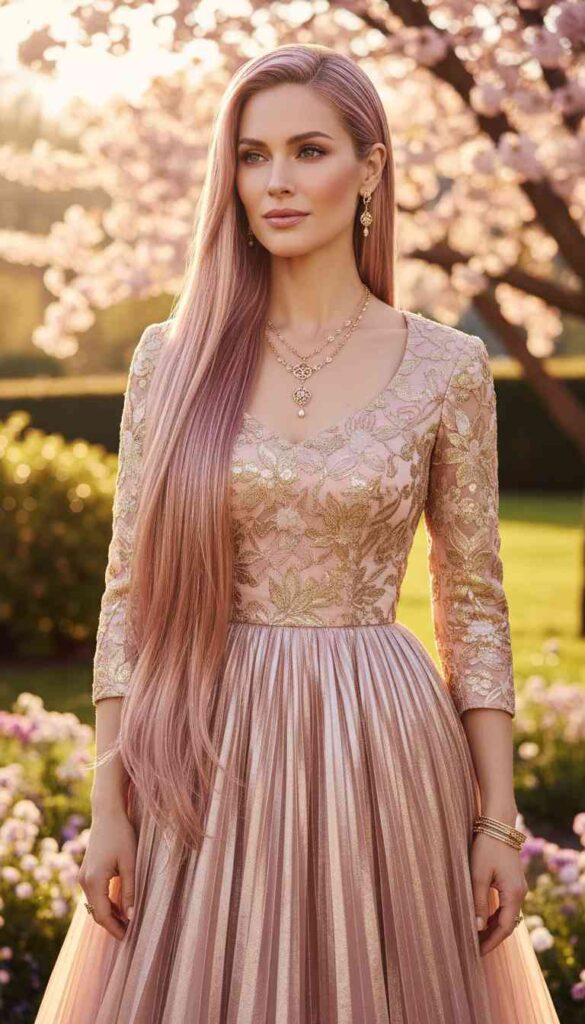
7. Rose Gold Shimmer
Delicate rose gold creating warm metallic pastel sophistication.
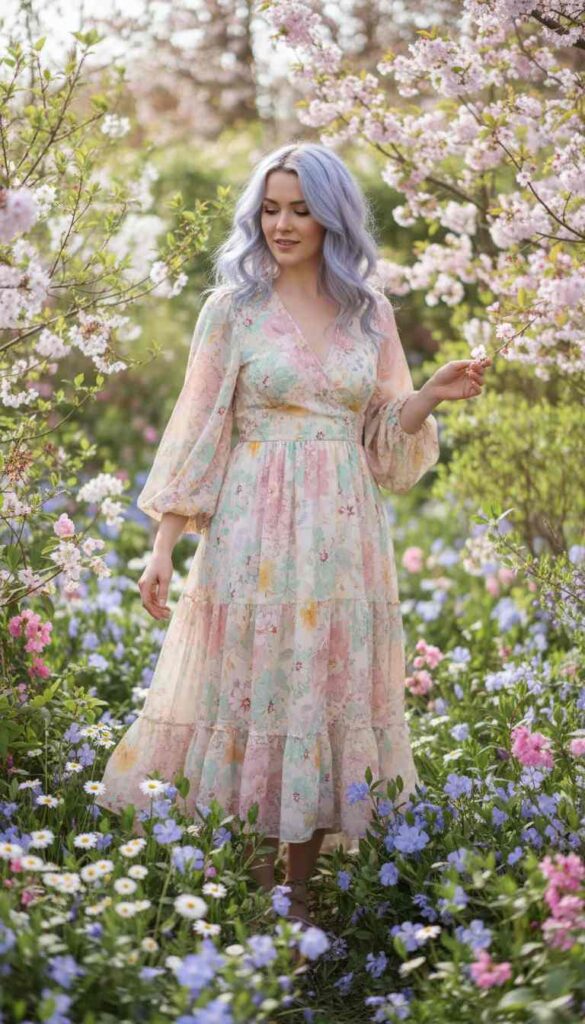
8. Pale Periwinkle
Soft blue-purple periwinkle creating delicate floral-inspired color.
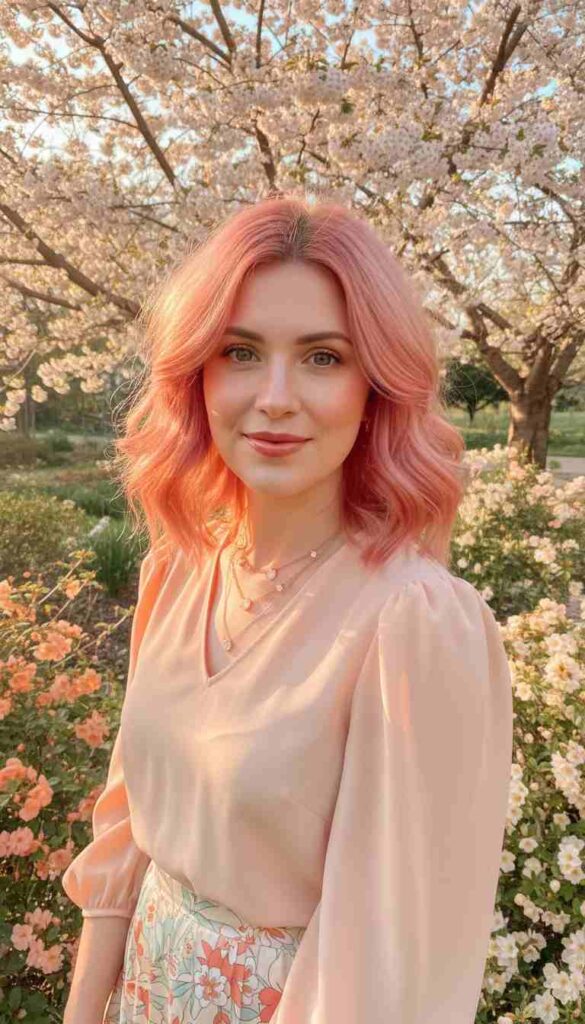
9. Coral Blush
Warm coral-pink creating vibrant yet soft spring statement.
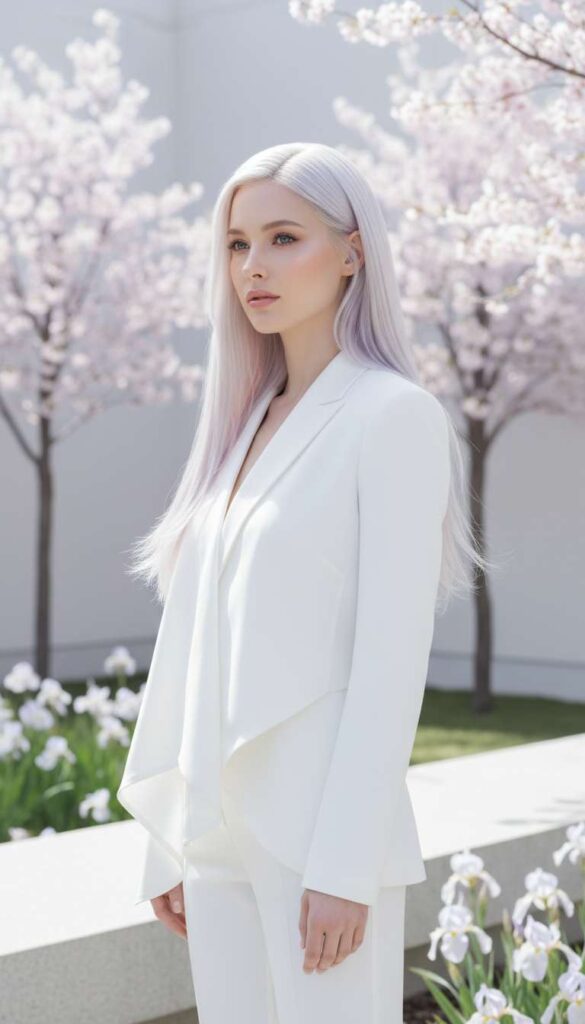
10. Platinum Lilac
Nearly white base with subtle lilac tint creating icy floral effect.
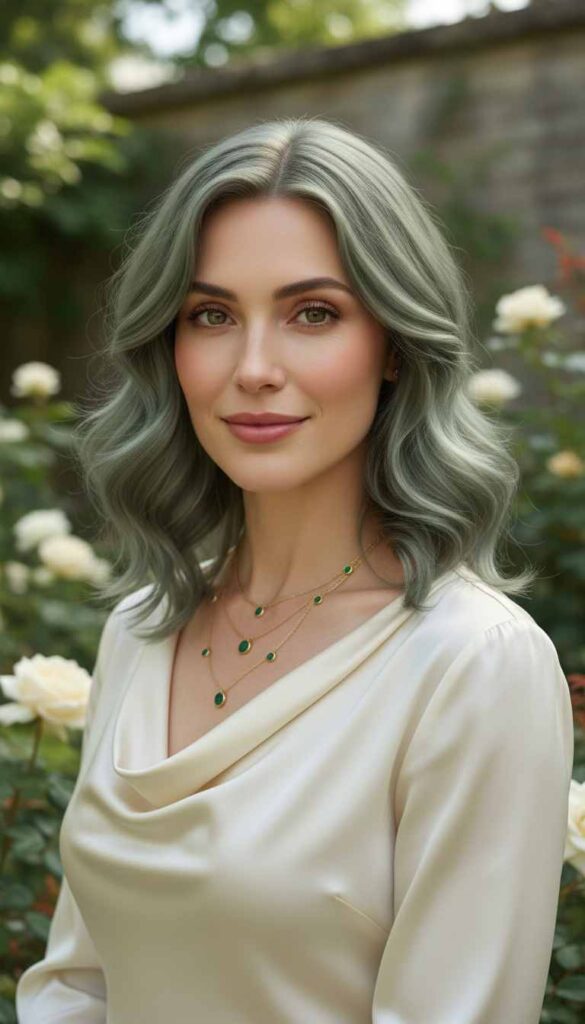
11. Soft Sage Green
Muted sage green creating sophisticated botanical pastel statement.
12. Powder Blue Classic
True soft powder blue creating classic pastel color statement.
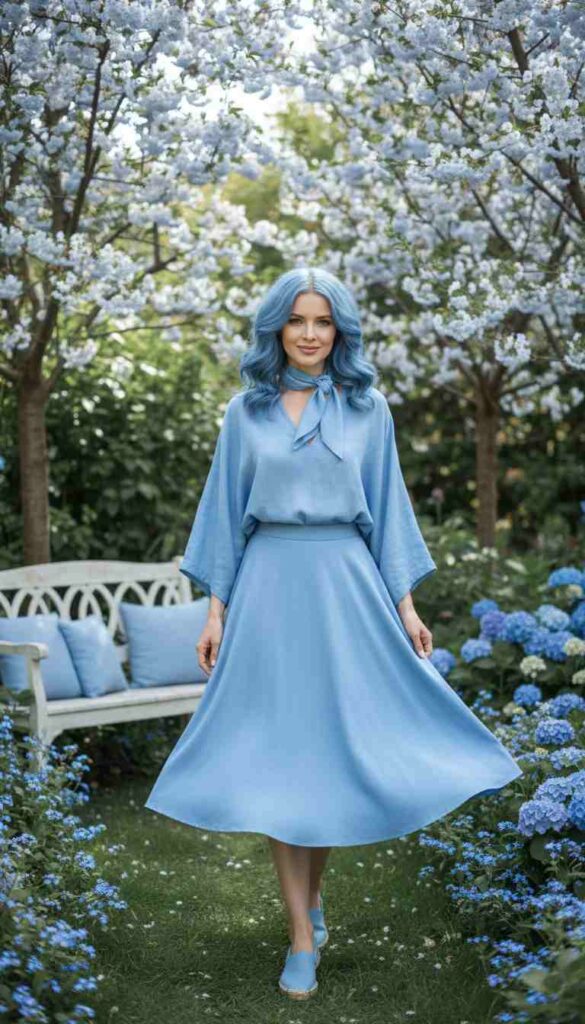
13. Champagne Pink
Neutral pink with warm champagne undertones creating sophisticated warmth.
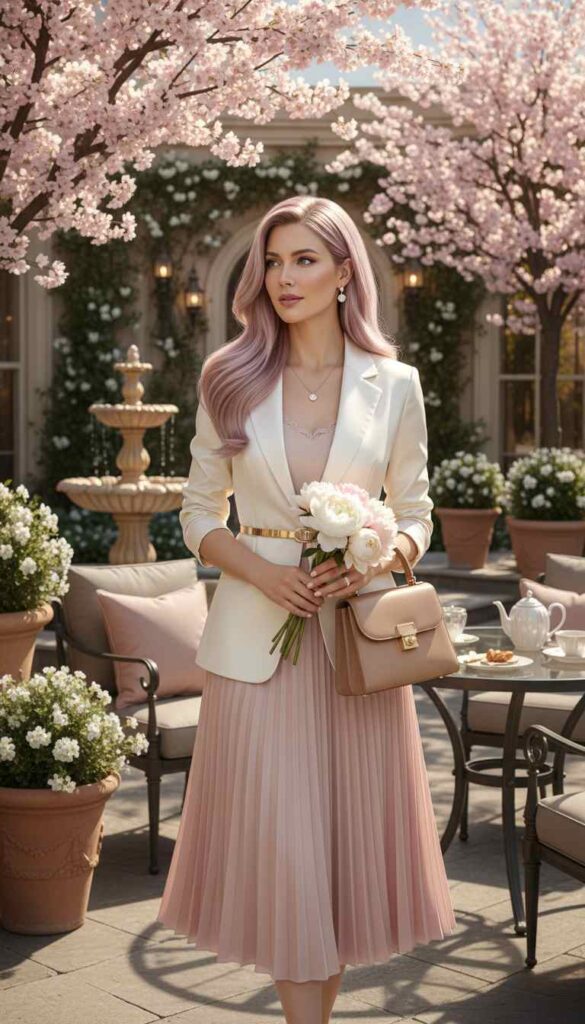
14. Mint to Blue Melt
Gradient transitioning from mint green roots to pale blue ends.
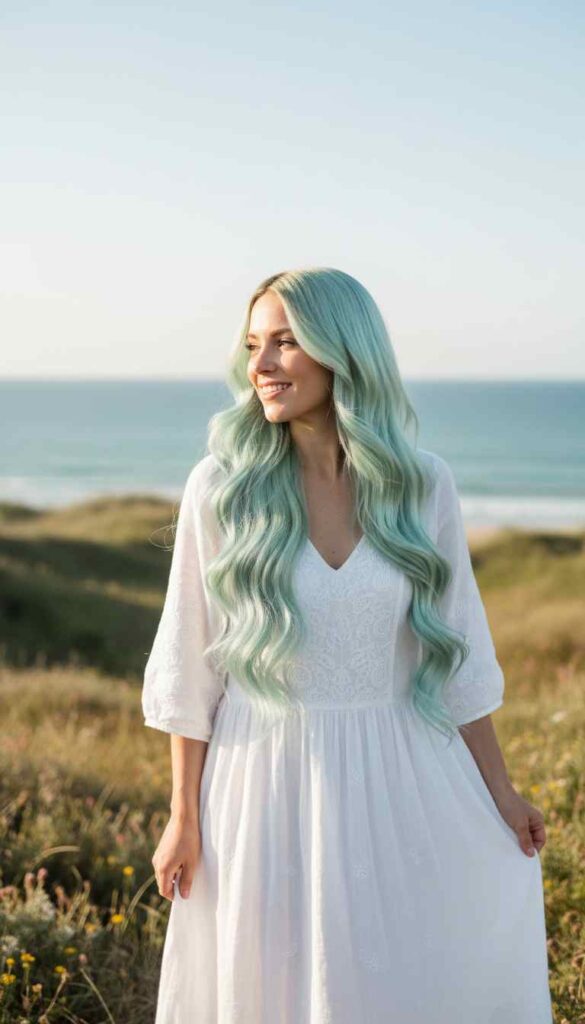
15. Barely Blush
The most delicate blush pink creating enhanced natural effect.
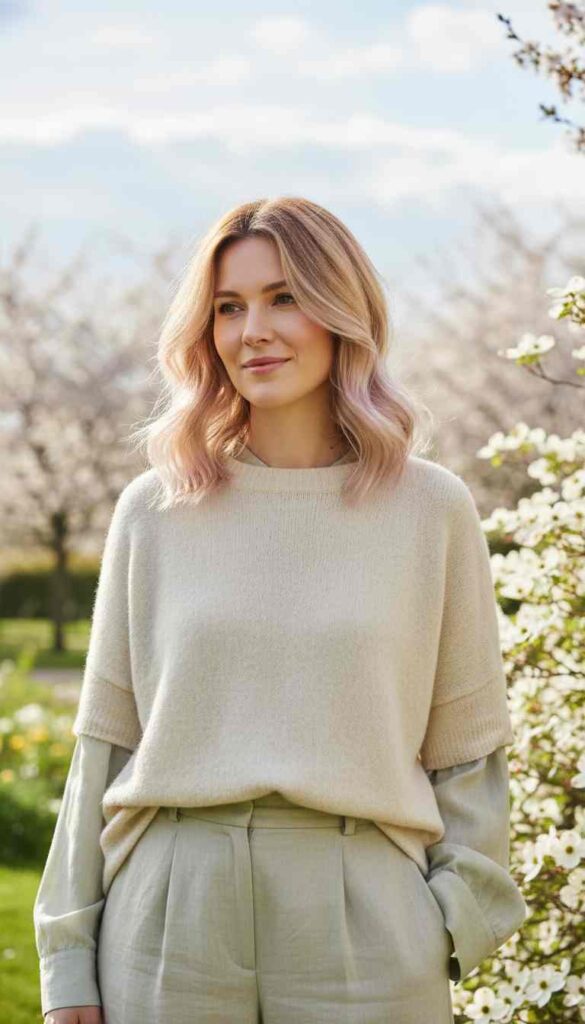
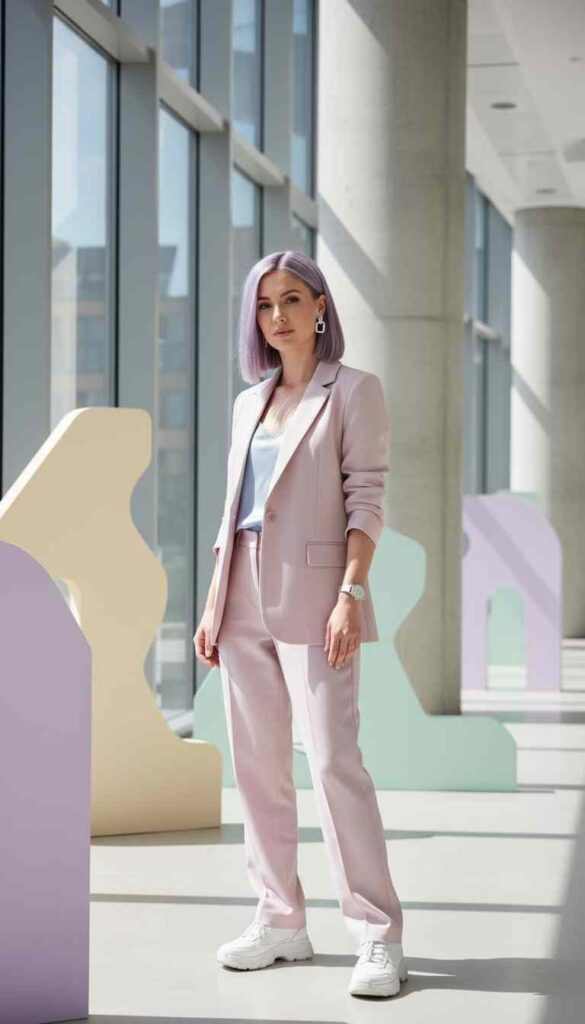
16. Lavender Ash
Cool lavender with ash gray base creating modern pastel sophistication.
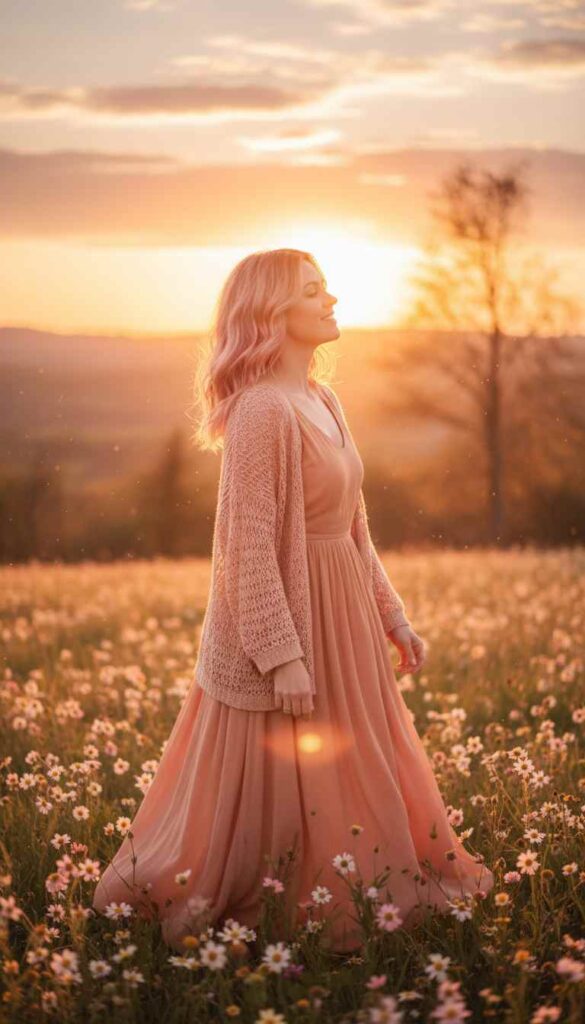
17. Peach Fuzz Glow
Soft peach with slight fuzz of pink creating warm glowing pastel.
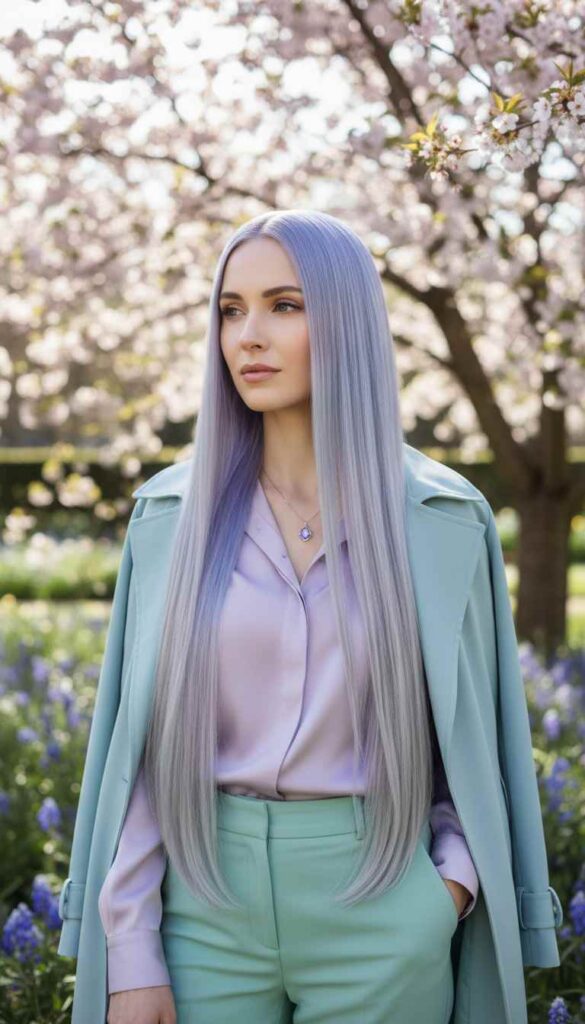
18. Periwinkle to Silver
Gradient from soft periwinkle to silver creating cool-toned dimension.
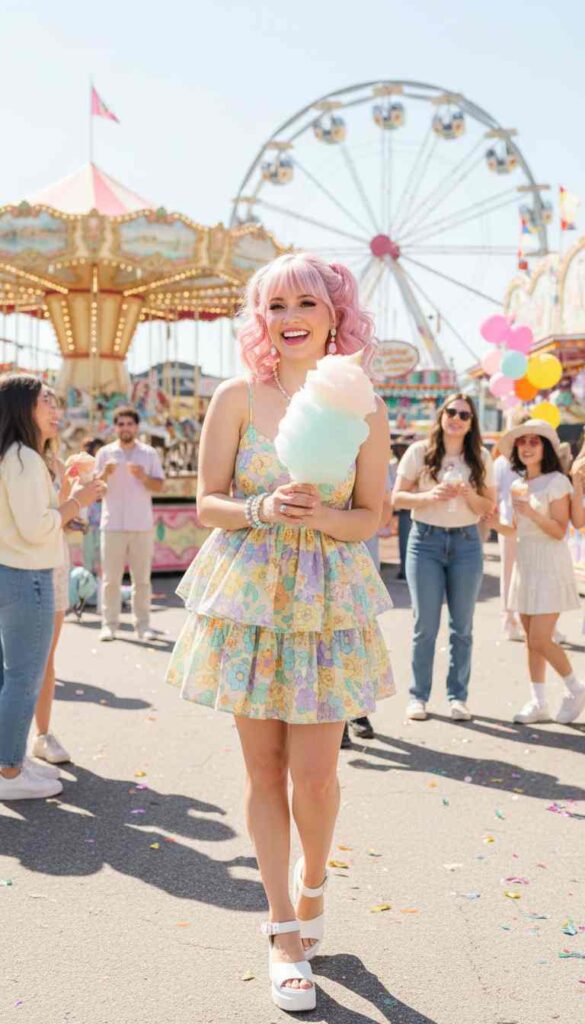
19. Cotton Candy Pink
Saturated but still pastel pink creating sweet nostalgic statement.
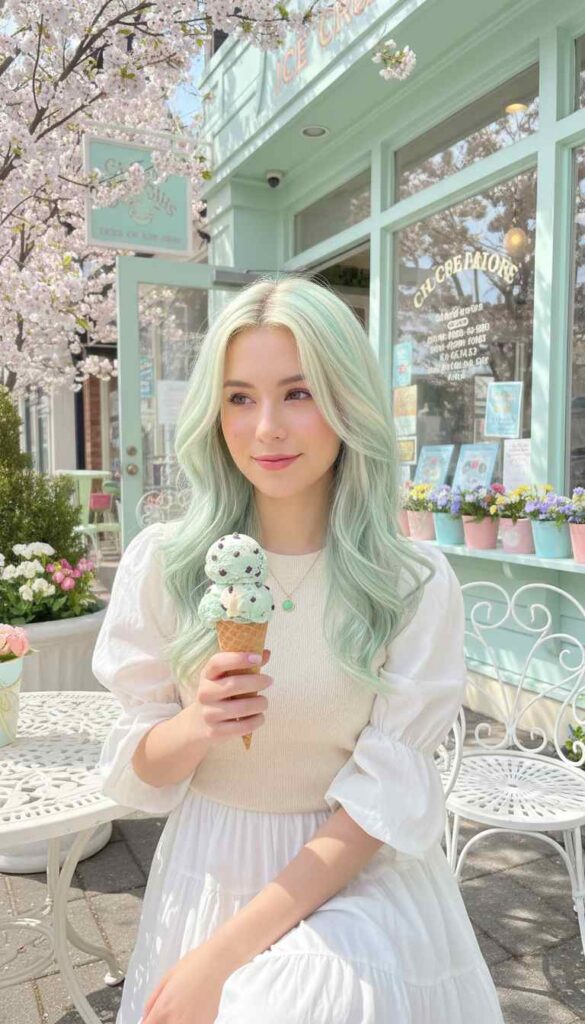
20. Pale Mint Chip
Mint green with slight cream undertone creating ice-cream-inspired soft color.
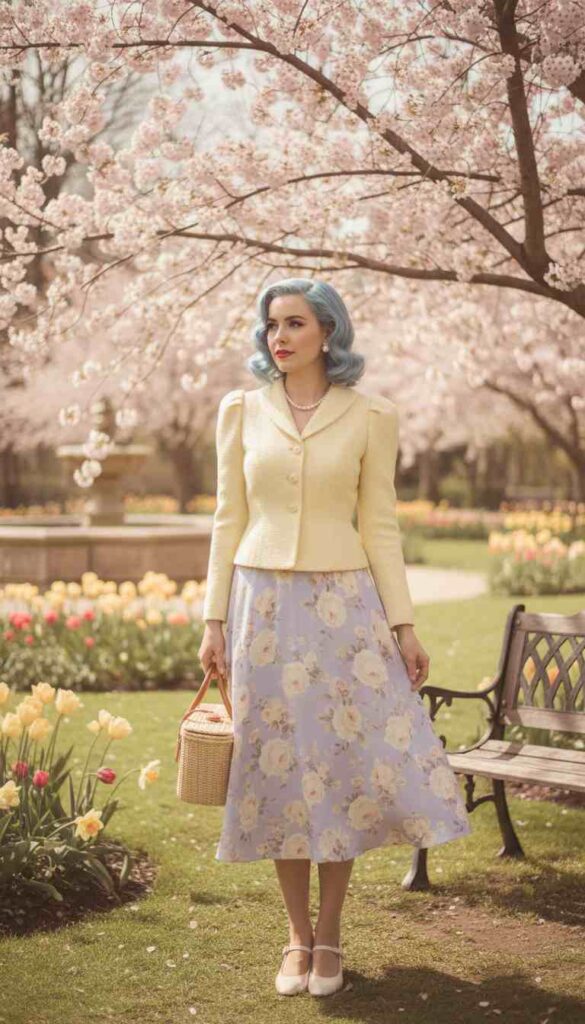
21. Baby Blue Ribbon
Soft baby blue creating classic vintage-inspired pastel statement.
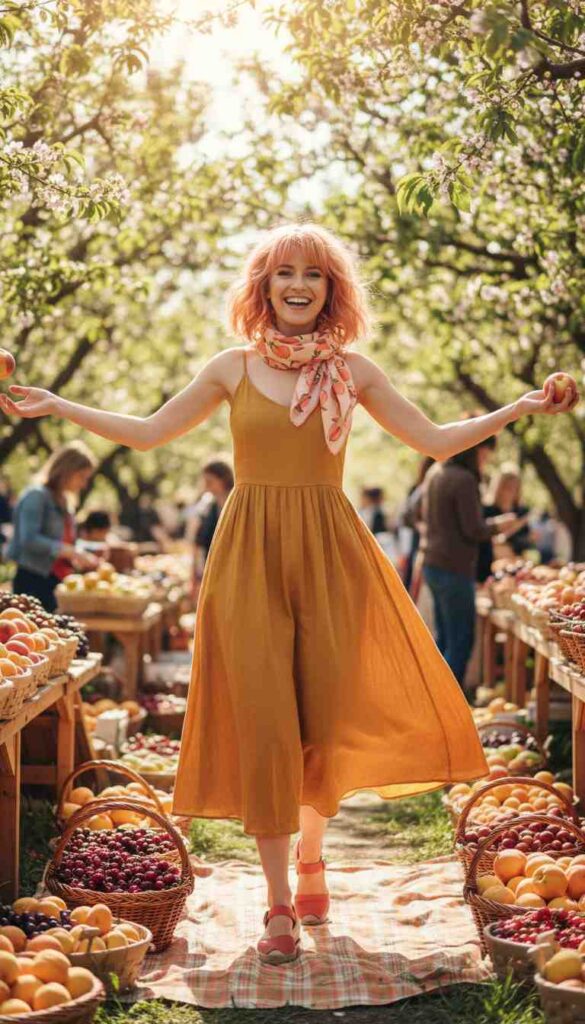
22. Peachy Keen
Warm peach-orange creating energetic optimistic spring color.
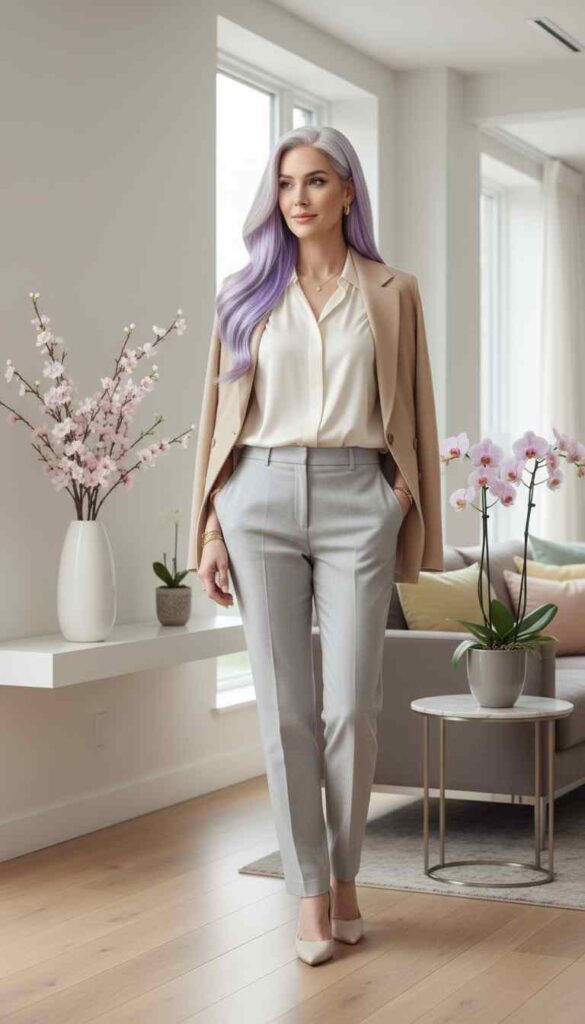
23. Silver Lavender
Equal blend of silver and lavender creating sophisticated neutral pastel.
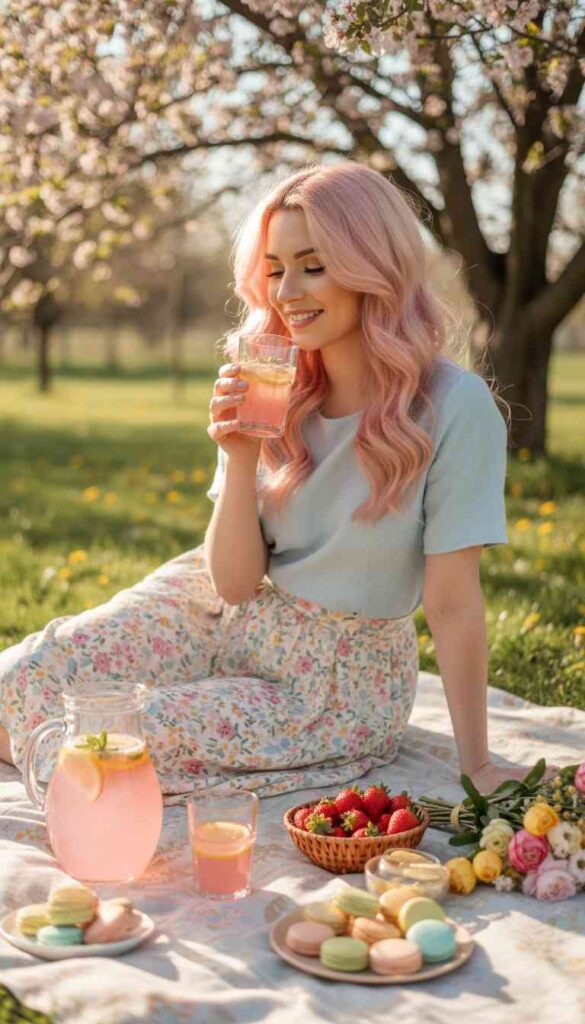
24. Pink Lemonade
Pale pink with slight yellow creating refreshing spring beverage inspiration.
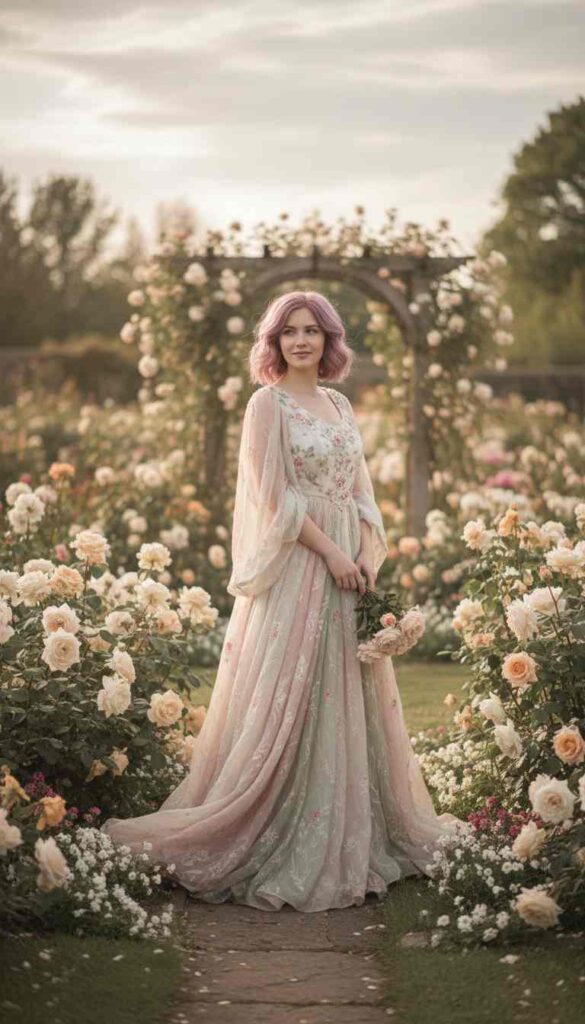
25. Dusty Rose
Muted rose pink creating vintage romantic pastel elegance.
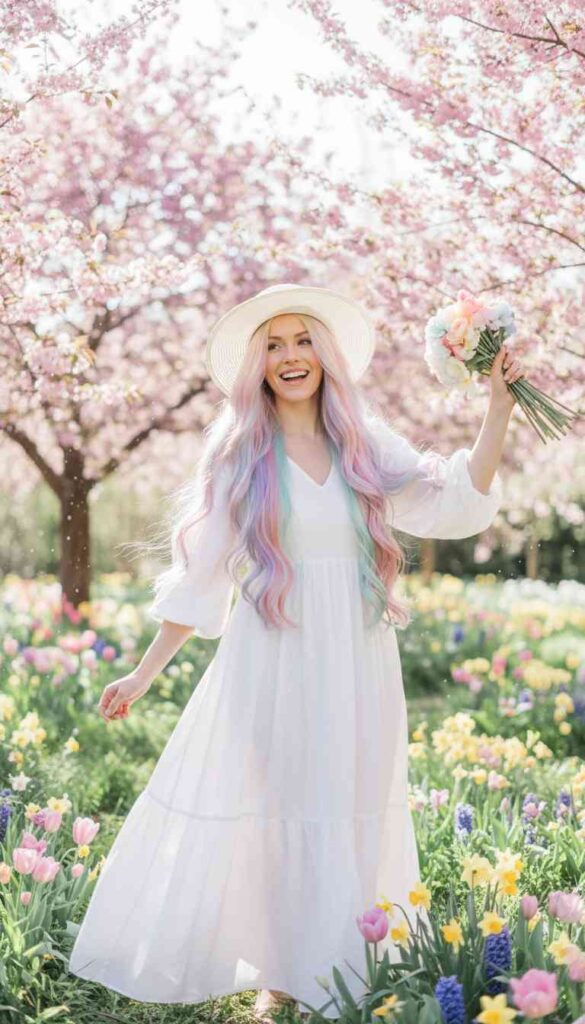
26. Multi-Pastel Rainbow
Multiple pastel shades creating full spectrum soft rainbow effect.
The Technical Journey to Pastel
Achieving beautiful pastel hair color requires understanding a fundamental truth: pastel is not a starting color but a destination reached through deliberate technical steps. Unlike depositing vibrant fashion colors onto dark hair (which can work with minimal lightening), true pastels require lifting natural pigment to the palest blonde canvas before applying the desired pastel tone. This reality means pastel hair necessitates bleaching in virtually all cases unless your natural hair is already platinum blonde.
The lightening process for pastel-ready hair must reach what colorists call “level 10″—the palest blonde where no yellow or orange tones remain visible. Any warmth left in the hair shows through pastel tones, turning soft lavender muddy or making mint green appear olive. Reaching this pale base typically requires one intensive bleaching session for naturally lighter hair, or multiple sessions spaced weeks apart for darker hair. The multi-session approach protects hair integrity by allowing recovery time between chemical processes.
Once hair reaches appropriate paleness, pastel colors are applied—often as toners mixed with conditioner for the most delicate application. These pastel formulations deposit gentle color without further lifting, creating the soft dimensional beauty that defines pastel hair. The entire process requires genuine expertise; attempting DIY pastel without proper knowledge frequently results in damaged hair, uneven color, or disappointing tones that don’t match the beautiful pastels you envisioned.
Maintaining Pastel Vibrancy
Pastel hair’s delicate beauty comes with equally delicate maintenance requirements. Pastel colors fade faster than virtually any other hair color category because they contain minimal pigment by definition—the quality that makes them beautifully soft also makes them inherently temporary. Understanding and accepting this impermanence helps set realistic expectations about the commitment pastel hair requires.
Washing frequency dramatically affects pastel longevity. Each wash removes some color molecules, accelerating the fade toward the pale blonde base beneath. Reducing washing to twice weekly rather than daily can double or triple how long pastels maintain their intended color. Between washes, dry shampoo absorbs oils and refreshes roots without the water exposure that strips color.
Color-depositing conditioners or shampoos in your pastel shade function as at-home toners that refresh color between salon visits. These products deposit gentle pigment during each use, combating the natural fading that occurs through washing, sun exposure, and simply existing in the world. Used consistently, color-depositing products can extend time between professional color appointments from four weeks to six or even eight weeks.
The Blonde Base Reality
The elephant in every pastel conversation is the bleached base requirement and the hair damage that inevitably accompanies bleaching. Lifting dark hair to pale blonde fundamentally alters hair structure—the chemical process that removes pigment also disrupts protein bonds that give hair its strength and elasticity. This isn’t fear-mongering; it’s chemistry that every person considering pastel must understand and accept.
Minimizing bleach damage requires expert application, appropriate product selection, and realistic timeline expectations. Olaplex or similar bond-building treatments incorporated during bleaching significantly reduce damage by rebuilding broken bonds even as the bleaching process breaks them. Quality bleach products designed for on-scalp application are gentler than harsher alternatives. And the stylist’s skill—knowing exactly when to rinse bleach before over-processing occurs—makes enormous difference in final hair condition.
Post-bleach hair care becomes non-negotiable rather than optional. Weekly deep conditioning treatments replenish moisture that bleaching strips away. Protein treatments rebuild strength in compromised hair structure. Minimizing heat styling prevents compounding chemical damage with thermal damage. The maintenance investment for keeping bleached pastel hair healthy is substantial, and anyone considering pastel should factor this realistically into their decision.
Professional vs. DIY Considerations
The complexity of achieving true pastel hair makes professional application strongly advisable for most people. The technical knowledge required—understanding how to lighten different hair types and colors, recognizing when hair has reached appropriate lightness, formulating correct pastel tones, and managing the entire process to minimize damage—takes years to develop. Box bleach and pastel dyes purchased from beauty supply stores rarely deliver the results envisioned, often creating disappointing color, significant damage, or both.
That said, maintaining pastel between professional appointments can involve DIY elements. Color-depositing products used at home, careful washing practices, and strategic root touch-ups when natural color grows in are all manageable home maintenance activities. The key is understanding which activities belong in professional hands (initial lightening and pastel application) versus which you can manage independently (maintenance and refreshing).
Cost represents another professional consideration. Achieving and maintaining pastel hair is genuinely expensive—initial lightening and color application can range from several hundred to over a thousand dollars depending on hair length and starting color, with maintenance appointments every four to eight weeks costing additional hundreds. This financial reality deserves honest consideration before beginning a pastel journey.
Pastel Hair Across Different Ages
The notion that pastel hair suits only young women represents outdated thinking that spring 2026 continues rejecting. Women of all ages wear pastel hair beautifully when they choose shades and applications that complement their individual coloring, lifestyle, and personal style rather than following arbitrary age-based rules.
Older women often find that certain sophisticated pastels—lavender silver, champagne pink, pale sage—look extraordinarily elegant with their natural coloring, particularly as gray or silver naturally begins appearing in their hair. The contrast between mature facial features and soft hair color creates striking visual interest that can be genuinely stunning. The key is choosing pastels with thought toward your specific skin tone and desired aesthetic rather than assuming pastel belongs exclusively to youth.
Professional contexts increasingly accept fashion hair colors, but conservatism varies by industry and individual workplace. If your professional setting leans traditional, the most subtle pastels—those reading as platinum or ash blonde in most lighting, revealing their pastel quality only in direct sun—offer the most workplace-compatible options. Creative industries often welcome more obvious pastel statements without professional penalty.
Seasonal Pastel Evolution
While this guide focuses on spring pastels, understanding how your pastel might evolve through coming seasons helps plan for the full year ahead. Summer’s intense UV exposure fades pastels faster than any other season, but also provides the perfect context for embracing vibrant pastels that would feel visually strange in winter’s low light. Summer might mean refreshing your spring pastel to maintain vibrancy or allowing graceful fade toward the blonde base while enjoying reduced maintenance.
As autumn approaches, many pastel enthusiasts transition toward warmer or deeper tones—peachy pastels might deepen toward copper, or soft pinks might evolve toward rose gold. This evolution often happens organically as pastels fade and you choose whether to refresh the original color or redirect toward new seasonal tones. Understanding pastel as a journey rather than a permanent state helps embrace the evolution naturally.
Winter presents pastel’s greatest challenge—the season’s dark wardrobe and low natural light can make very pale pastels appear washed out rather than ethereal. Some pastel devotees maintain their colors year-round regardless, while others use winter as a break period, allowing pastels to fade completely and giving hair recovery time before beginning the process anew each spring.
Photography and Pastel Hair
Pastel hair photographs with specific characteristics that are worth understanding if you care about how your hair appears in photos. Very pale pastels can appear nearly white in photographs unless the photographer or editing process specifically brings out the color—something to discuss with wedding or professional photographers if you’ll have important photos taken with pastel hair.
Natural outdoor light shows pastel colors most accurately and beautifully, while indoor artificial light can create color shifts—fluorescent lighting adds green tones, warm incandescent creates yellow casts, and these lighting effects interact with pastel hair in ways they don’t with natural darker colors. Understanding these photographic realities helps set expectations about how your pastel will appear in various photographic contexts.
Instagram and social media’s ubiquity means many people first encounter pastel hair through highly edited photos that don’t accurately represent real-life appearance. Heavy filtering, color correction, and editing can make pastel appear more vivid, more perfectly even, or maintain different tones than reality produces. Using these edited images as reference photos creates unrealistic expectations that no colorist can achieve in real hair. Seeking reference images described as “unfiltered” or from professional colorist portfolios showing real client work produces more realistic references.
Embracing Your Pastel Journey
These 26 pastel ideas represent the extraordinary range this delicate color family encompasses in spring 2026. Each interpretation offers different levels of commitment, different technical approaches, and different aesthetic outcomes. Your perfect pastel exists somewhere in the space between your natural coloring, your lifestyle realities, your maintenance commitment capacity, and your authentic aesthetic preferences.
The most important decision isn’t which specific pastel shade you choose—it’s whether the pastel hair lifestyle genuinely suits your life right now. Can you commit to the maintenance schedule and cost? Will you embrace the frequent washing limitations and extra care requirements? Does your workplace accept fashion colors? Do you find impermanence frustrating or freeing? Honest answers to these questions predict pastel success better than color choice does.
Leave a Reply