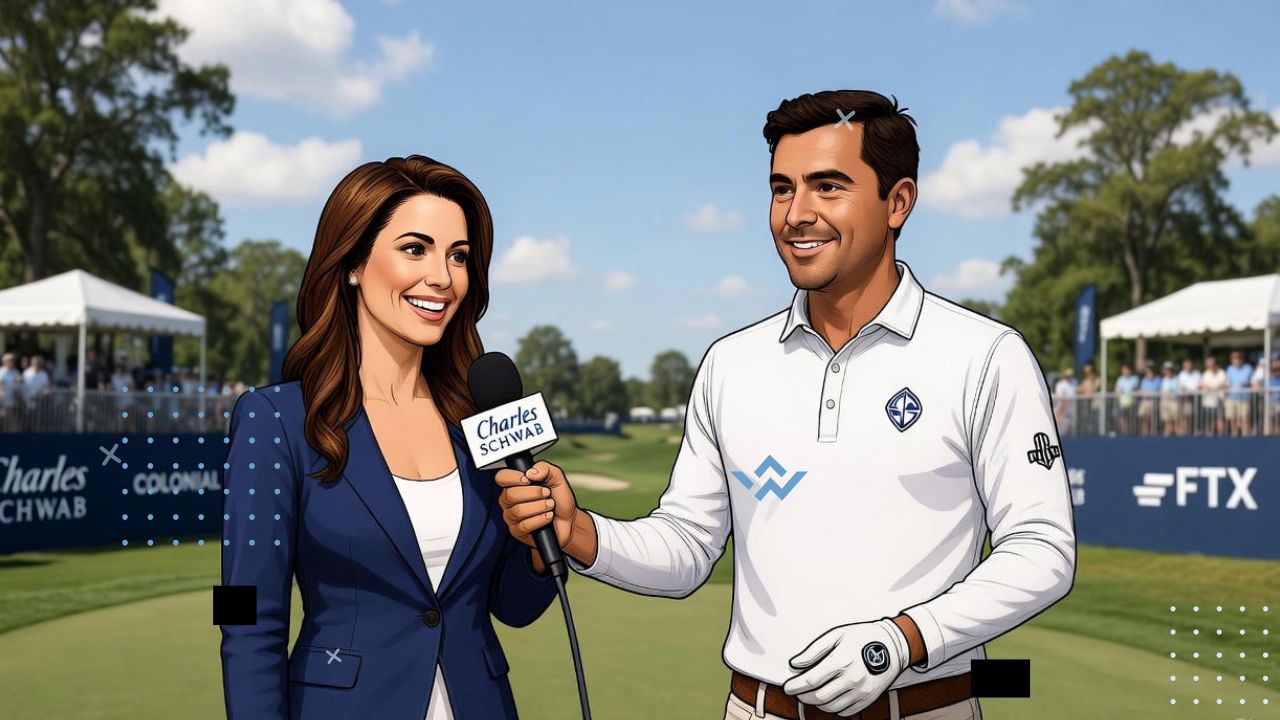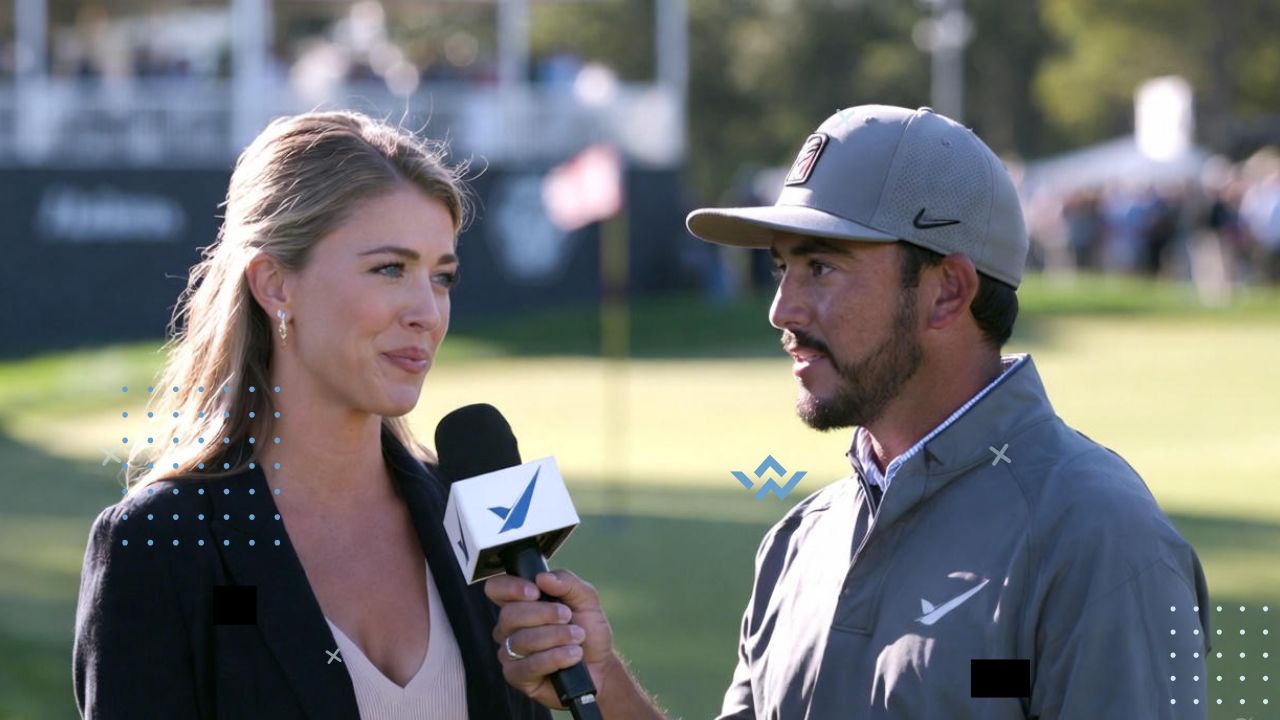
If you’re into golf, sports media, or even just interesting interviews, you’re probably aware of the conversation between Amanda Balionis (CBS Sports reporter) and Rickie Fowler (PGA Tour pro) at the Charles Schwab Challenge in May 2025. The interview sparked quite a reaction — and there’s plenty to learn from it, whether you’re a fan, a media student, or just curious.
Here’s a friendly breakdown of what happened, what both of them said, and what we can take away from it.
🕵️ The Interview Setup
- During the third round at the Charles Schwab Challenge, Rickie Fowler shot 3-under and looked like he might be back in contention.
- Amanda Balionis approached him after the round to ask about how he felt about his current form and standing, especially given his challenges earlier in the season.
- One notable question: She asked about his putting statistics — including a stat showing he was ranked 125th in putting on tour. That detail caught attention.
🔍 Key Moments That Stood Out
Here are some of the parts people talked about most:
- Amanda: “Rickie, you’re back in contention — after being stuck in neutral for some time, how does it feel?”
- Amanda mentioned his putting rank (125th) and asked how he felt about that and his current performance. Some viewers felt this line was too blunt or negative.
- Soon after the interview aired, CBS reportedly chose not to post the clip on their social media channels, reportedly because of the backlash.
🤔 Why the Interview Sparked a Reaction
Several things combined to make this a talk-about moment:
Tone & phrasing
Some viewers felt that Amanda’s questions emphasized Rickie’s struggles more than his comeback potential. Talking about being “stuck in neutral” and pointing to a 125th ranking can feel heavy.
Public expectations
Rickie Fowler is well-loved in the golf world. Fans often expect more upbeat, supportive questions when he’s performing well. The contrast between his solid round and the tone of the questions created a mismatch.
Media & social feedback
Amanda received both harsh criticism and support afterward. On her Instagram story, she shared some of the messages she received and addressed the situation.
🌟 Amanda’s Side: Her Response and What It Tells Us
Rather than ignore the reaction, Amanda chose to respond — and there are a few things we can learn from how she handled it:
- She shared screenshots of criticism she got, including messages telling her to be more positive and some disparaging comments about her professionalism.
- Her message: Be true to yourself. She wrote: “You’re always going to be ‘too something’ for somebody. It’s a lot easier to be yourself … rather than trying to be what everyone else wants.
- She also thanked supporters of her work, showing how both sides of feedback matter — but not all feedback deserves equal weight.
🧠 What We Can Learn from This Interview (Especially if You’re Doing Interviews or Media)
Whether you’re a student, a young journalist, or just curious about how these interviews work, here are practical take-aways:
- Be mindful of wording. Phrasing like “stuck in neutral” or citing a low ranking can shift the tone — from celebration to scrutiny.
- Match the context. When someone has had a strong performance, balance questions about challenges with recognition of the positive.
- Know your audience. Fans and viewers have expectations, especially for popular figures. Tone can shape how they react.
- Respond gracefully to feedback. Amanda’s handling of criticism shows how to stay grounded and professional when things go sideways.
- Keep authenticity. In her response, Amanda emphasized staying true to her style and voice — something important in journalism, or any communication job.
👀 What’s Next? What to Watch For
If you follow either Amanda’s reporting or Rickie Fowler’s game, here are things to keep an eye on:
- How Amanda adjusts her post-round interview style in future tournaments — whether any changes in tone or question structure appear.
- How Rickie continues to perform, especially with putting stats — since that came up during the interview.
- How social media and fan reactions influence sports journalism coverage in real time — this could be a case study.
✅ Final Thoughts
This interview between Amanda Balionis and Rickie Fowler shows more than just a media moment — it highlights how phrasing, context, and audience expectation all play into sports journalism. For fans, it was a reminder that interviews aren’t just “easy chat” — they’re carefully crafted and interpreted. For anyone interested in journalism, it shows how every question and tone matters.
If you watch the replay to see how the conversation flowed, consider this: the interplay between reporter and athlete isn’t just about the answer — it’s about what the question asks, how it’s asked, and how we, as viewers, interpret it.