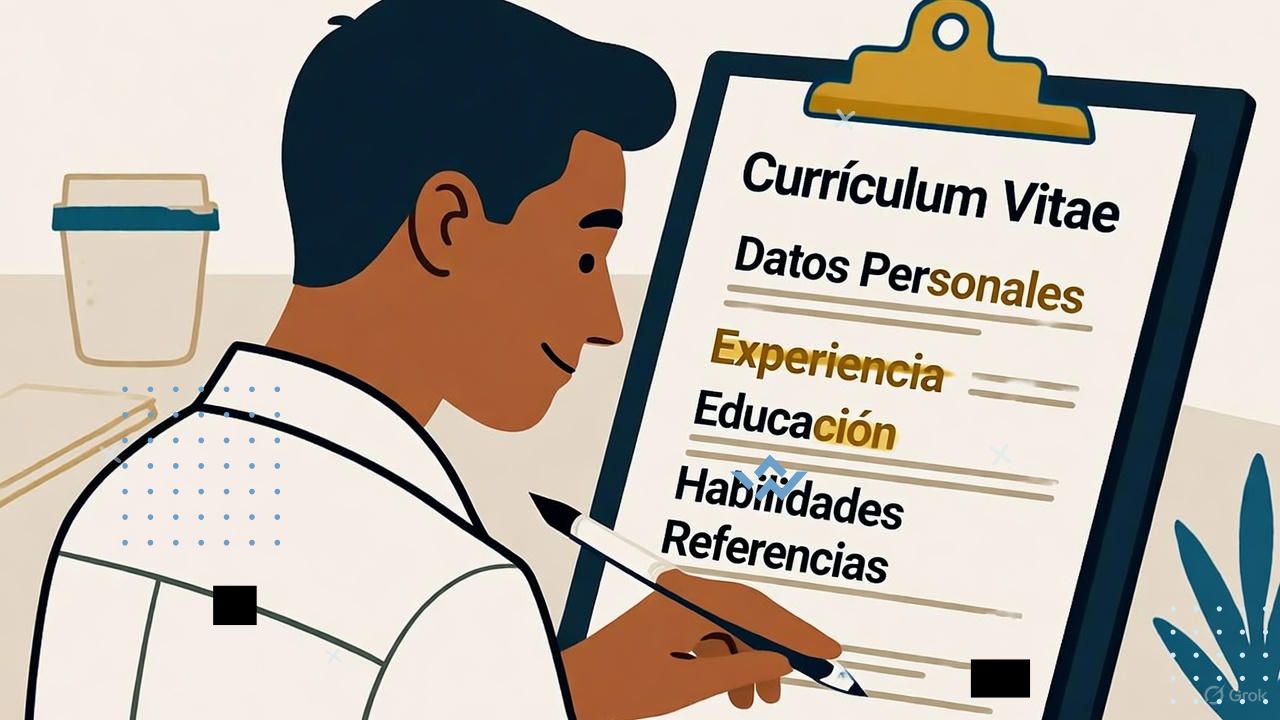
So, you need to write a resume in Spanish — maybe you’re applying for a job in Spain, Latin America, or with a Spanish-speaking company. The good news? Creating one isn’t as hard as it sounds. In fact, it’s a great way to show employers you’re serious about connecting in their language.
💡 What Makes a Spanish Resume Different?
A Spanish resume (currículum en español) isn’t too different from an English one, but there are a few key details that make it unique.
Here’s what sets it apart:
- Personal details come first. Spanish resumes often include information like nationality, date of birth, and sometimes even a photo (especially in Spain).
- The tone is a bit more formal. While you still want it to sound professional and polished, Spanish resumes tend to use polite and respectful language.
- Use of local terms. Instead of “resume,” the document is usually called a “currículum vitae” or simply “CV.”
Think of it as the same story — just told with a few cultural and linguistic tweaks.
🧾 Basic Structure of a Resume in Spanish
Here’s a simple breakdown of what your Spanish CV should include:
- Datos personales (Personal Information)
- Nombre completo (Full name)
- Dirección (Address)
- Teléfono (Phone number)
- Correo electrónico (Email)
- Nacionalidad (Nationality)
- Fecha de nacimiento (Date of birth)
- Foto (optional in Spain, common in Latin America)
- Perfil profesional (Professional Profile)
This is a short paragraph that summarizes who you are, what you do, and what you’re looking for.
Example: Profesional con experiencia en atención al cliente, con excelentes habilidades de comunicación y enfoque en la satisfacción del cliente. Busco formar parte de una empresa que valore la calidad del servicio y el trabajo en equipo. - Experiencia laboral (Work Experience)
List your most recent jobs first, and include:- Cargo o puesto (Job title)
- Empresa (Company name)
- Fechas (Dates of employment)
- Responsabilidades y logros (Responsibilities and achievements)
- Educación (Education)
Include your most relevant studies:- Título (Degree or qualification)
- Institución (Institution name)
- Fechas (Dates)
- Lugar (City or country)
- Habilidades (Skills)
Mention your strengths, such as:- Habilidades técnicas (Technical skills)
- Idiomas (Languages)
- Competencias personales (Soft skills)
- Idiomas (Languages)
If you’re bilingual or multilingual, make it clear.
Example:- Español – Nativo
- Inglés – Avanzado (C1)
- Francés – Intermedio (B1)
🗣️ Example: English vs. Spanish Resume Snippet
Here’s how a short section might look in both languages:
English:
Customer Service Representative at ABC Company (2021–Present)
- Answer customer inquiries and resolve complaints
- Maintain a 95% satisfaction rating
Spanish:
Representante de Atención al Cliente en ABC Company (2021–Presente)
- Atender consultas de clientes y resolver reclamaciones
- Mantener una tasa de satisfacción del 95%
See how natural it sounds? The key is to use clear, everyday Spanish, not Google Translate-style phrases.
🧠 Tips for Writing a Great Spanish Resume
Here are some helpful tips to make your Spanish resume shine:
1. Use local spelling and expressions
If you’re applying in Spain, write “currículum.” If it’s for Mexico or Argentina, “curriculum” or “CV” works fine too. Small details matter!
2. Translate job titles carefully
Avoid literal translations. For example:
- “Salesman” → “Representante de ventas” (not “hombre de ventas”)
- “Manager” → “Gerente” or “Encargado,” depending on the role
3. Keep it one page if possible
Just like in English resumes, shorter is better — unless you have decades of experience.
4. Include a short, professional photo (optional)
In many Spanish-speaking countries, including a professional headshot is still normal. Just make sure it looks friendly and appropriate.
🧩 Real-Life Example
Let’s say Ana, a bilingual graphic designer from California, wanted to apply for a job in Madrid. She translated her resume using online tools, but it came off a little stiff and unnatural.
After getting help from a Spanish friend, she changed “responsible for creating digital art pieces” to “encargada de diseñar materiales gráficos digitales.” That one change made her resume sound like it was written by a Spanish speaker, not for one — and she got an interview within a week.
Lesson learned: small language adjustments can make a big impact.
💼 Common Mistakes to Avoid
Even well-written resumes can fall flat if you make these common mistakes:
- ❌ Using English formatting (dates, commas, etc.) — in Spanish, use “mayo de 2024,” not “May 2024.”
- ❌ Overly casual tone — keep it polite and professional.
- ❌ Forgetting accents — words like “educacion” should be “educación.”
- ❌ Ignoring cultural differences — some countries prefer formal layouts; others are more modern.
🧭 Helpful Tools for Writing a Resume in Spanish
If you’re writing your resume in Spanish for the first time, here are some tools that can help:
- DeepL Translator – Great for natural-sounding translations.
- LanguageTool – Checks your Spanish grammar and punctuation.
- Canva – Has free resume templates you can easily edit in Spanish.
- ChatGPT (that’s me!) – I can help polish your Spanish CV or even translate it naturally.