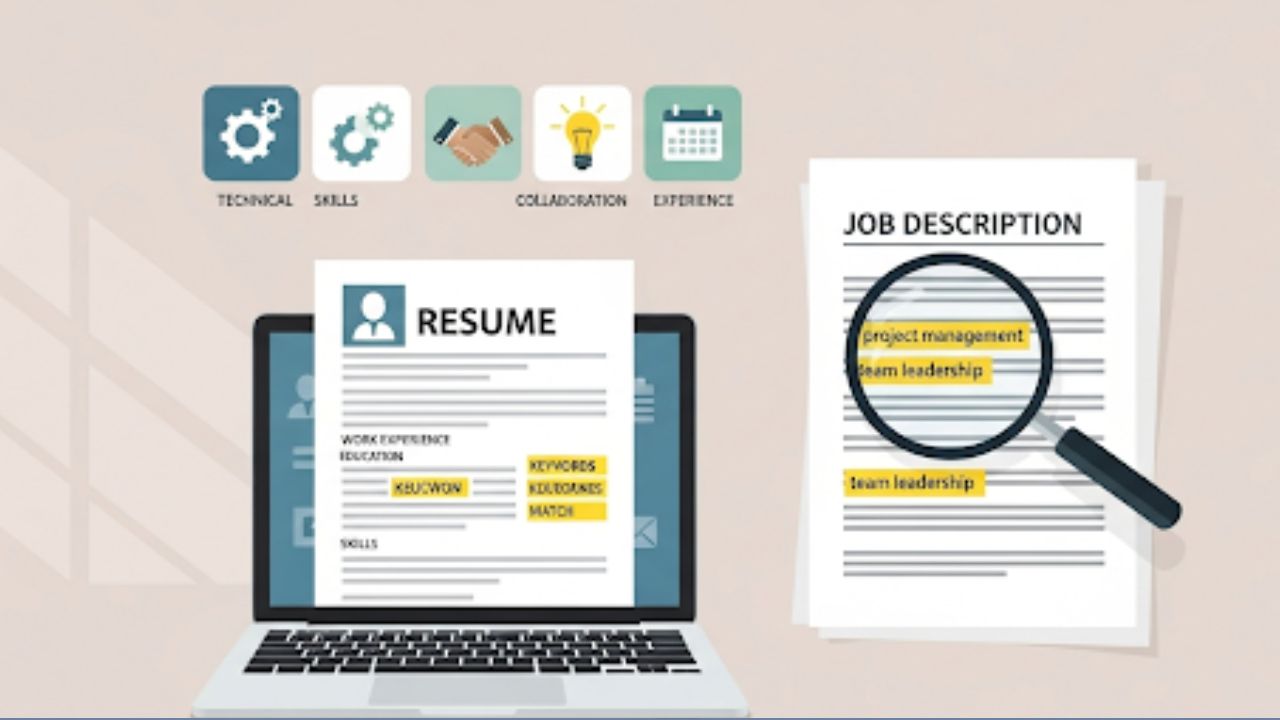
When you are searching for a job, one of the most important things you can do is know your own strengths. Think of it like preparing for an interview or writing a resume. Employers want to know not just what you have done, but what makes you stand out from everyone else. That is where your top career strengths come in.
Your strengths are your selling points. They are the skills, traits, and qualities that show employers why they should choose you over another candidate. When you can clearly explain your top three to five strengths, you create a powerful story about yourself that employers will remember.
Why Your Career Strengths Matter
Imagine sitting in an interview. The employer asks, “Why should we hire you?” If you are not prepared, you may stumble or give a vague answer like “I work hard.” While that is good, it is not enough. A strong answer sounds more confident, like “One of my strengths is problem solving. At my last job, I created a system that cut customer wait times by 20 percent.”
See the difference? Your strengths show your value in action.
How to Identify Your Top Strengths
Finding your strengths is not always easy. Sometimes we overlook what we are naturally good at. Here are some simple ways to identify them.
- Look at past feedback. What do managers or coworkers often praise you for?
- Think about your proudest moments. What achievements make you smile?
- Notice what feels natural. The tasks that feel easy to you might be your strengths.
- Ask others. Sometimes friends or colleagues see strengths we miss.
Write down a list of possible strengths, then narrow them down to three to five that best match the job you want.
Examples of Strong Career Strengths
Here are a few strengths that employers often value. Use these ideas to inspire your own list.
- Problem solving. The ability to find solutions quickly and effectively.
- Communication. Explaining ideas clearly to coworkers, clients, or customers.
- Adaptability. Staying calm and flexible when things change.
- Teamwork. Working well with others to reach a shared goal.
- Leadership. Guiding or motivating others to do their best.
- Time management. Staying organized and meeting deadlines.
- Technical skills. Proficiency with tools, software, or systems related to your field.
Turning Strengths into Selling Points
It is not enough to just list your strengths. You need to show them in action. This is where your selling points become powerful.
For example:
- Instead of saying “I am good at teamwork,” say “I worked on a project with five coworkers where my role was to coordinate tasks. Because of our teamwork, we completed the project two weeks early.”
- Instead of “I have leadership skills,” say “I managed a group of interns and helped them learn new software. The interns later said my training made them feel confident in their roles.”
By giving examples, you make your strengths real and believable.
Choosing the Right Strengths for the Job
Not all strengths matter equally in every job. A strength in one industry may not be as important in another. That is why you should tailor your selling points to match the role.
- For customer service jobs: focus on communication, patience, and problem solving.
- For technical jobs: highlight technical skills, attention to detail, and critical thinking.
- For leadership roles: emphasize decision making, motivation, and adaptability.
Always connect your strengths to what the employer is looking for.
Practice Your Selling Points
Once you have chosen your top three to five strengths, practice saying them out loud. This will help you sound natural and confident in interviews.
You can also use these selling points in:
- Your resume summary
- Cover letters
- Networking conversations
- LinkedIn profiles
The more you practice, the easier it will feel.
FAQs
1. How many strengths should I share in an interview?
Focus on three to five. This is enough to give a clear picture of your abilities without overwhelming the interviewer.
2. What if I am not sure what my strengths are?
Start by asking coworkers, friends, or mentors for feedback. Think about tasks you enjoy or times you have been successful. Those often point to your strengths.
3. Should I list the same strengths on every resume?
Not always. Tailor your strengths to fit the job description. Use the ones that best match what the employer is looking for.
Final Thoughts
Your career strengths are your ticket to standing out in a competitive job market. By identifying your top three to five and turning them into clear selling points with examples, you show employers exactly why you are the right choice. Remember, it is not about listing qualities, it is about telling a story that connects your strengths to their needs.
Take the time to prepare now, and you will walk into your next job search or interview with confidence.