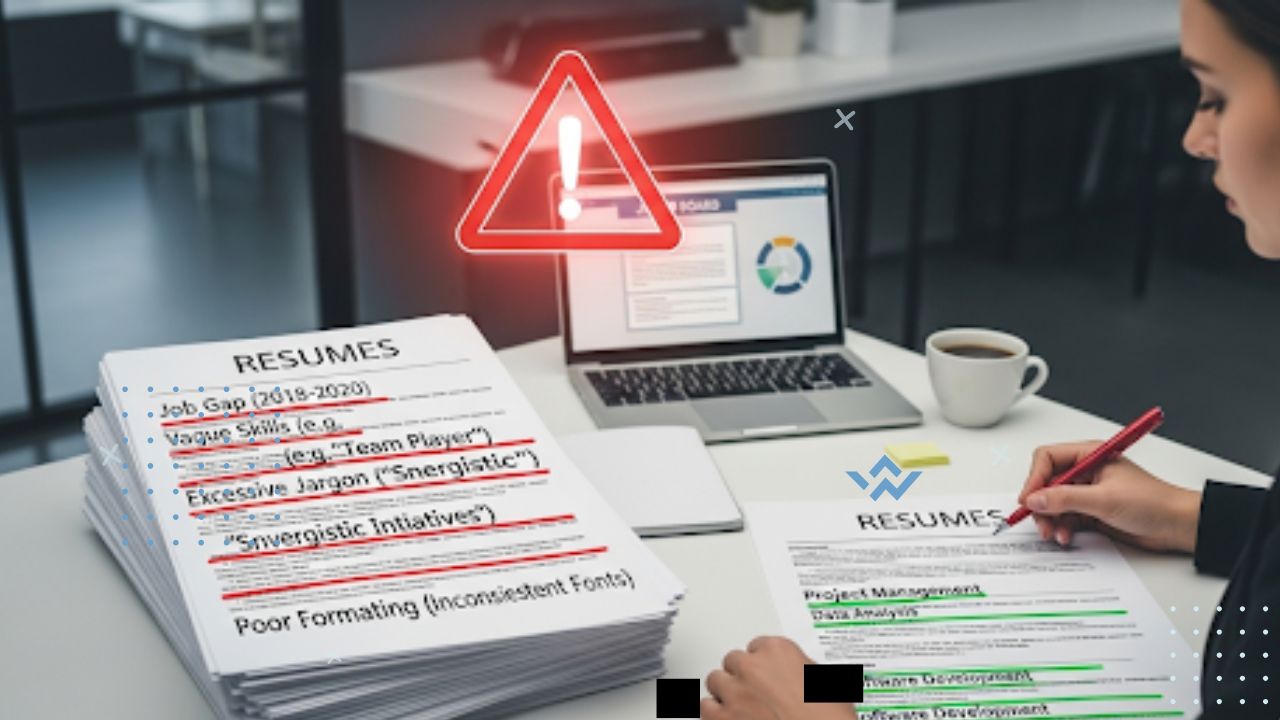
Your resume is your first impression. In today’s job market, where AI-powered Applicant Tracking Systems (ATS) scan resumes before a human even sees them, even small mistakes can cost you big opportunities. The good news? Most resume mistakes are easy to fix once you know what to look for.
Let’s walk through the most common resume mistakes in 2025 and how you can quickly improve yours without stress.
Mistake #1: Not Using the Right Keywords
What happens: Many people still write resumes the old-fashioned way listing job duties without matching the language in the job posting. ATS software then flags their resume as “not a fit.”
Fix:
- Carefully read the job description.
- Pull out skills, tools, and keywords that are repeated.
- Naturally weave those into your resume (don’t just copy-paste).
Example: Instead of writing “Handled social media,” write “Managed social media campaigns on Instagram and TikTok, increasing engagement by 30%.”
Mistake #2: Overly Fancy Designs
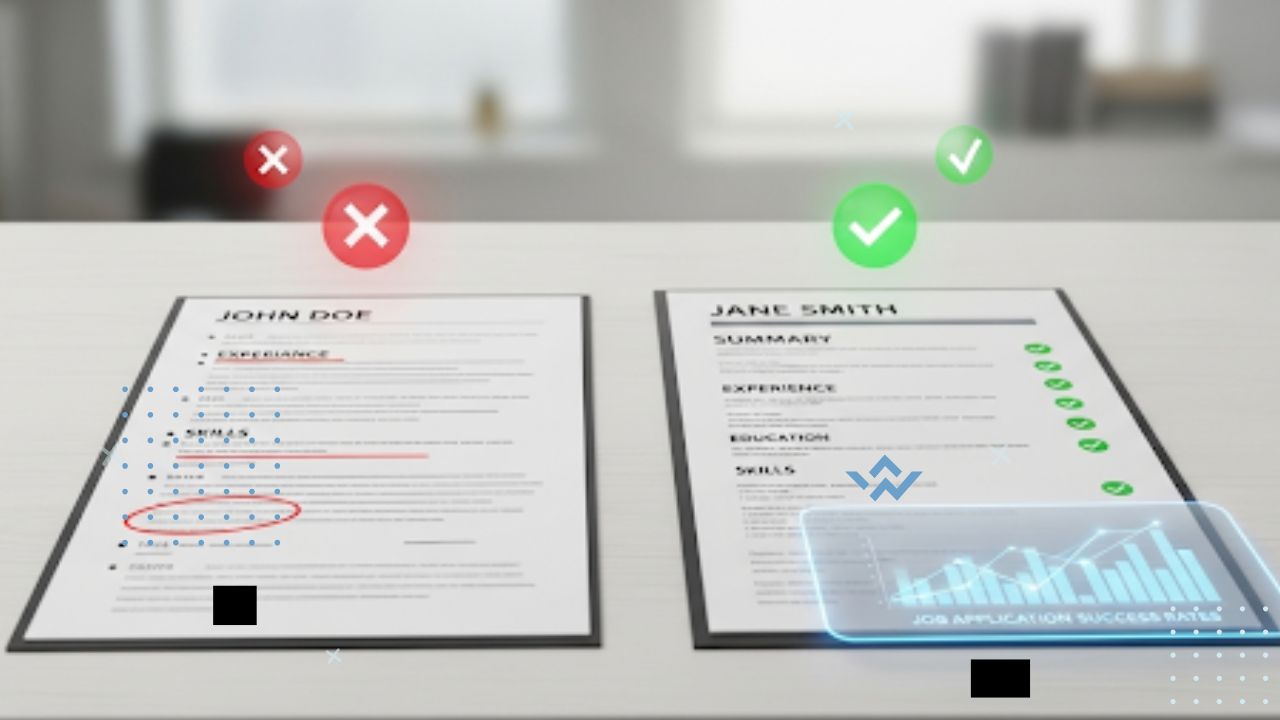
What happens: A colorful, graphic-heavy resume might look great to you, but ATS software often can’t read it. Result? Your resume gets tossed before a recruiter ever sees it.
Fix:
- Stick to clean, simple templates.
- Use clear headings: Experience, Skills, Education.
- Save your resume as a Word doc or PDF (ATS-friendly).
If you love design, create a portfolio website and link to it instead of cramming visuals into your resume.
Mistake #3: Being Too Vague
What happens: Writing things like “Responsible for sales” or “Worked on marketing projects.” This doesn’t tell the employer what you achieved.
Fix:
Use numbers, results, or real impact.
- “Increased sales by 20% in one year.”
- “Launched a TikTok ad campaign that brought in 10,000 new followers.”
Hiring managers love results. Be specific and show your wins.
Mistake #4: Ignoring AI-Friendly Formatting
What happens: In 2025, ATS software is even smarter, but it still gets tripped up by columns, charts, or odd formatting.
Fix:
- Use standard fonts like Arial, Calibri, or Times New Roman.
- Avoid tables and text boxes.
- Keep section headers simple and easy to scan.
Think: if your resume looks like a puzzle, AI won’t solve it’ll just skip it.
Mistake #5: Writing One Generic Resume for Every Job
What happens: You use the same resume for every application. Recruiters can tell immediately, and ATS notices mismatched keywords.
Fix:
- Customize your resume for each job.
- Highlight skills that match the role.
- Keep a “master resume” with everything, then trim it down for each application.
It’s a bit of extra work, but it dramatically boosts your chances.
Mistake #6: Forgetting Soft Skills
What happens: You list hard skills (Excel, Python, Data Analysis) but skip soft skills like communication or leadership.
Fix:
Show soft skills through examples.
- Instead of “Team player,” write: “Collaborated with a cross-functional team of 10 to deliver projects two weeks early.”
Employers want proof of how you work with people, not just the tools you know.
Mistake #7: Old or Irrelevant Information
What happens: Your resume still lists high school achievements or a summer job from 10 years ago that has nothing to do with your career now.
Fix:
- Focus on the last 10 years (unless older experience is highly relevant).
- Highlight achievements that matter today.
- Keep it fresh and updated every six months.
Mistake #8: Typos and Grammar Errors
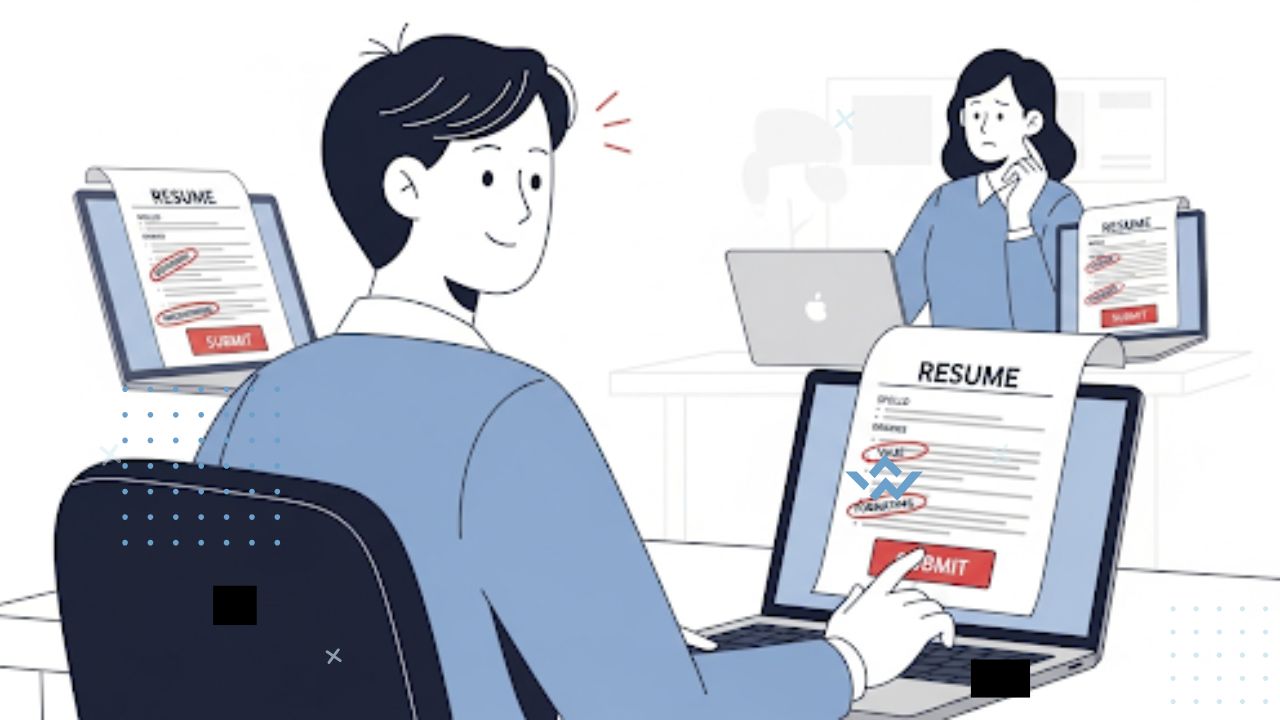
What happens: Recruiters see a typo like “Manged projects” instead of “Managed projects,” and immediately think you lack attention to detail.
Fix:
- Always proofread.
- Use tools like Grammarly.
- Ask a friend to double-check.
One typo can ruin an otherwise great resume don’t let that happen.
Mistake #9: Going Over Two Pages
What happens: You include every job you’ve ever had, making your resume four pages long. Recruiters won’t read it all.
Fix:
- Keep it one page if you’re early in your career.
- Two pages max for more experience.
- Focus on impact, not job descriptions.
Mistake #10: No Personal Branding
What happens: Your resume lists your skills, but nothing sets you apart.
Fix:
- Write a short summary at the top highlighting your unique strengths.
- Add a LinkedIn profile or personal website.
- Think of your resume as your “career story,” not just a list of jobs.
Quick Recap: Easy Resume Fixes
- Use job-specific keywords.
- Stick to clean, ATS-friendly templates.
- Be specific with numbers and results.
- Customize for each job.
- Show both hard and soft skills.
- Proofread carefully.
- Keep it short and relevant.
Questions and Answers
1. Do I really need to customize my resume for every job?
Yes. Even small tweaks, like adjusting keywords and highlighting the most relevant skills, can help you pass ATS and catch a recruiter’s attention.
2. Should I include a photo on my resume in 2025?
In most cases, no. Unless you’re in a field like modeling or acting, photos can create bias and aren’t necessary. Stick to your skills and achievements.
3. How often should I update my resume?
At least every six months, or whenever you gain a new skill, certification, or major achievement. Keeping it fresh makes applying much easier when opportunities pop up.